

India
Uttar Pradesh
Uttar Pradesh Travel Guide: Choose One Rich Circuit at a Time
Shape a deliberate journey through Mughal monuments, Awadhi culture, living pilgrimage cities, Buddhist heritage and the Terai wilderness instead of treating India's most populous state as one rushed itinerary.
Best time
October to March
Start / finish
Agra, Lucknow or Varanasi
Ideal duration
4 to 6 nights per circuit
Travel feel
Sacred, storied, layered
A state of distinct journeys
Choose the circuit before choosing the hotel
Uttar Pradesh works best as several coherent chapters. Agra, Mathura and Vrindavan form a compact western route of Mughal heritage and Braj devotion. Lucknow and Ayodhya combine Awadhi urban culture with a major pilgrimage city. Varanasi, Sarnath and Prayagraj connect the Ganges, Buddhist heritage and the Sangam. Dudhwa belongs to a separate Terai wildlife journey.
A first trip should protect time within places rather than spend every day in transit. Four to six nights can serve one circuit well; seven to ten nights can combine two compatible chapters when transfers, worship access, weather and the traveller's pace are planned carefully. Delhi and Jaipur are useful onward pairings for the western route, but they are not part of Uttar Pradesh.
- Agra's World Heritage monuments
- Mathura and Vrindavan in Braj
- Lucknow's Nawabi heritage and food
- Ayodhya beside the Sarayu
- Varanasi, Sarnath and Prayagraj
- Dudhwa's Terai wilderness
Before fixing the route
Uttar Pradesh essentials
- First-trip pace
- 4 to 6 nights for one circuit
- Western base
- Agra with a Braj stay
- Central base
- Lucknow
- Eastern base
- Varanasi
- Wildlife route
- Dudhwa as a dedicated journey
- Moving between cities
- Rail or pre-planned road transfers
- Worship and monument access
- Recheck before each visit
- Domestic entry
- No visa for Indian travel
Choose western heritage and Braj, Lucknow and Ayodhya, or Varanasi and Prayagraj before adding more distant stops.
Use Agra for the Taj Mahal and Mughal monuments, then stay in Mathura or Vrindavan rather than treating every place as a same-day return.
A practical gateway for Awadhi culture and an onward Ayodhya chapter, with rail, road and air connections that should be rechecked for the travel date.
Protect at least two complete mornings or evenings for the riverfront and add Sarnath as a separate half-day rather than a hurried photo stop.
Confirm the current operating season, safari gate, permit process and transfer plan before booking stays or transport.
Distances are substantial and journey times vary. Confirm the current train, flight and road plan rather than relying on evergreen schedules.
Prayer times, security, festival crowds, closure days and permitted belongings can change the practical shape of a day.
Carry normal government photo identification and follow the current requirements of airlines, railways, hotels, parks and controlled venues.
Choose the closest useful gateway
Air gateways for the main circuits
Chaudhary Charan Singh International Airport
LKOLucknow
The strongest air gateway for Lucknow and a practical start for an Ayodhya extension.
Best for: Lucknow, Ayodhya, central Uttar Pradesh
Lal Bahadur Shastri International Airport
VNSVaranasi
The principal gateway for Varanasi and Sarnath, with Prayagraj added only when the route has sufficient time.
Best for: Varanasi, Sarnath, eastern Uttar Pradesh
Maharishi Valmiki International Airport Ayodhyadham
AYJAyodhya
A direct option for an Ayodhya-led pilgrimage; verify current flights and onward transport for the exact date.
Best for: Ayodhya, Sarayu-side pilgrimage
Agra Airport
AGRAgra
A limited-schedule option for Agra; Delhi rail or road access may still be more practical for many western circuits.
Best for: Agra, Taj Mahal, western Uttar Pradesh
Prayagraj Airport
IXDPrayagraj
Useful for a Sangam-led visit or a one-way eastern circuit when current flight timings suit the route.
Best for: Prayagraj, Varanasi–Prayagraj circuits
Season changes the pace
Choose weather that suits the circuit
October to March · Broadest comfort
The strongest general window for city walks, river mornings, monuments and road transfers. Winter fog and cold mornings can still affect visibility and transport.
April to June · Heat-led itineraries
Use very early outdoor visits, air-conditioned pauses, hydration and fewer stops. Exposed monuments and long road journeys can be demanding.
July to September · Monsoon flexibility
Expect humidity, heavy showers and possible disruption to river, road and outdoor plans. Keep buffer time and indoor alternatives.
January
Good with flexible mornings
Cool to cold; fog possible · Check the city forecast
Crowds: High at major pilgrimage and heritage sites
Midday monuments · Lucknow food · Varanasi evenings
February
Excellent
Cool to mild · Check the city forecast
Crowds: Moderate to high
Agra and Braj · Lucknow walks · Sarnath
March
Very good with early starts
Mild, then warmer · Check the city forecast
Crowds: Variable around festivals
Heritage circuits · River mornings · Gardens
April
Fair with heat-aware pacing
Hot and increasingly dry · Check IMD before travel
Crowds: Lower outside festivals
Sunrise monuments · Indoor heritage · Late dining
May
Demanding
Very hot · Check IMD before travel
Crowds: Lower
Short dawn visits · Long midday pauses · Evening worship
June
Demanding
Very hot; storms possible · Check IMD before travel
Crowds: Lower
Early heritage · Air-conditioned stops · Flexible evenings
July
Mixed
Hot, humid and rainy · Check IMD before travel
Crowds: Variable
Lucknow culture · Flexible museums · Food-led days
August
Mixed
Humid with monsoon rain · Check IMD before travel
Crowds: High around religious dates
Indoor heritage · Temple visits with buffers · Slow city stays
September
Improving late month
Warm; monsoon easing · Check IMD before travel
Crowds: Moderate
Riverfront walks · Lucknow · Braj
October
Excellent
Warm days, gentler evenings · Check the city forecast
Crowds: Rising around festivals
Agra · Varanasi · Ayodhya
November
Excellent
Mild days, cooler nights · Check the city forecast
Crowds: High in pilgrimage centres
Multi-city circuits · Dudhwa if operating · River mornings
December
Very good with layers
Cool; fog possible · Check the city forecast
Crowds: High over holidays
Monuments · Awadhi dining · Wildlife if operating
Five coherent ways through the state
Choose the Uttar Pradesh circuit that fits
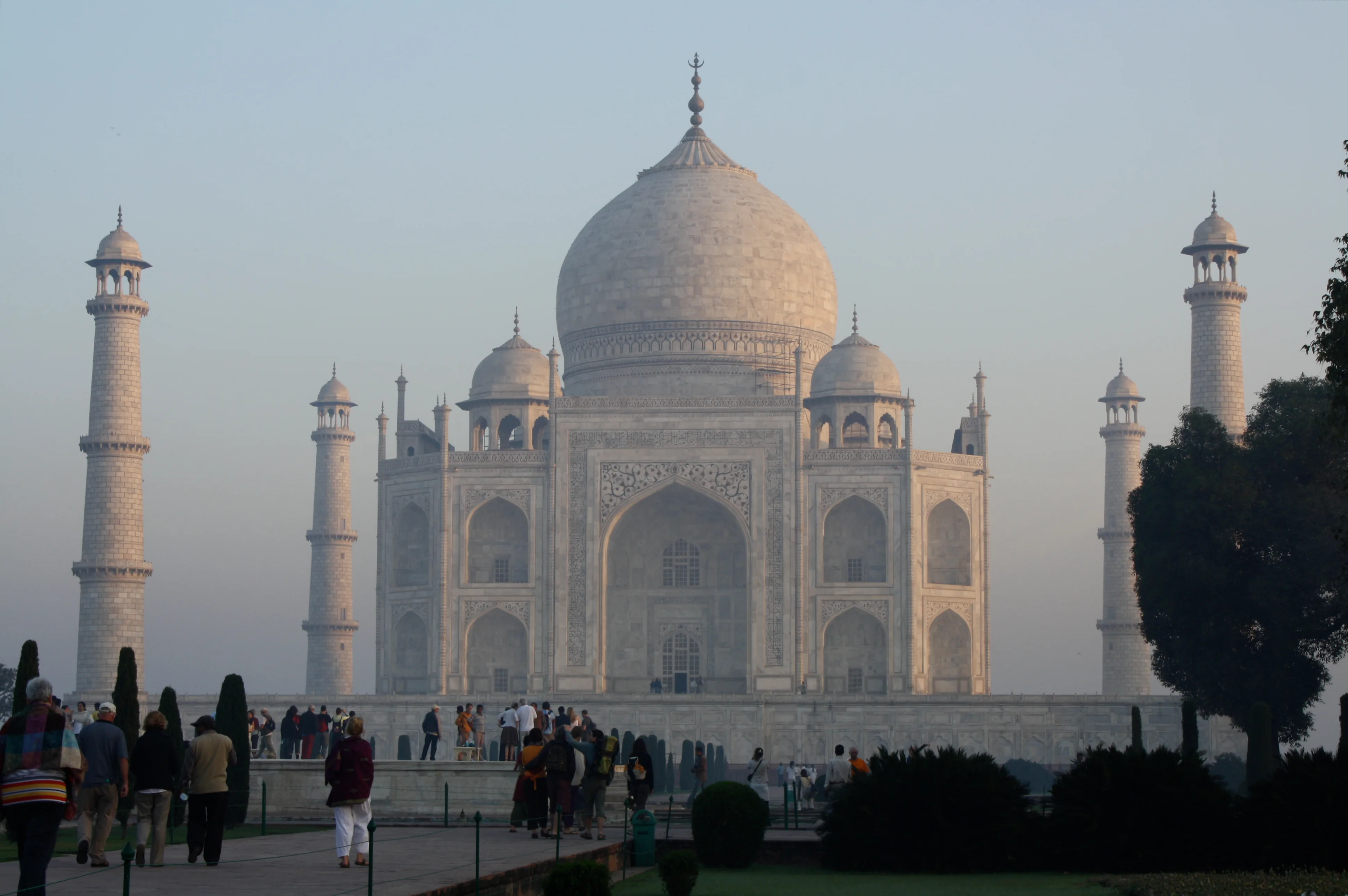
Taj Mahal at the first suitable public window
Give the monument and its garden a complete visit, then leave room for Agra Fort rather than compressing every Mughal site into one morning.
2 to 3 hours · Outdoor
Agra Fort with the river story
Read the fort as a working imperial complex and connect its palaces and ramparts to the Taj Mahal across the Yamuna.
2 to 3 hours · Both
Fatehpur Sikri as a separate chapter
Allow a half-day for the planned Mughal capital instead of squeezing it between distant transfers.
Half day · Outdoor
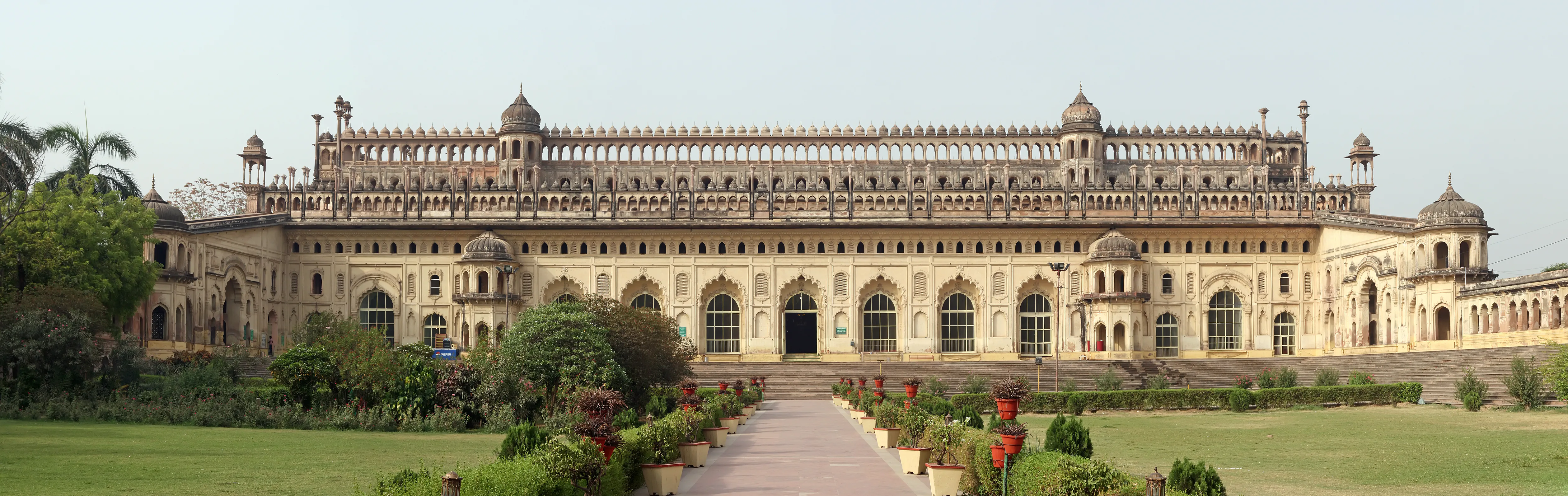
Lucknow's Imambara and old city
Pair Bara Imambara with a guided old-city and food chapter that distinguishes Nawabi Lucknow from the Mughal west.
Half to full day · Both
Varanasi and Sarnath in two moods
Use the riverfront for a dawn or evening chapter, then give Sarnath a separate, quieter half-day.
2 nights minimum · Both
Eight signatures, four different worlds
Experiences worth shaping the journey around
The Taj Mahal with time to look
Enter at a suitable early public window, move beyond the central photograph and let the garden, marble detail and Yamuna setting define the visit.
2 to 3 hours · Outdoor
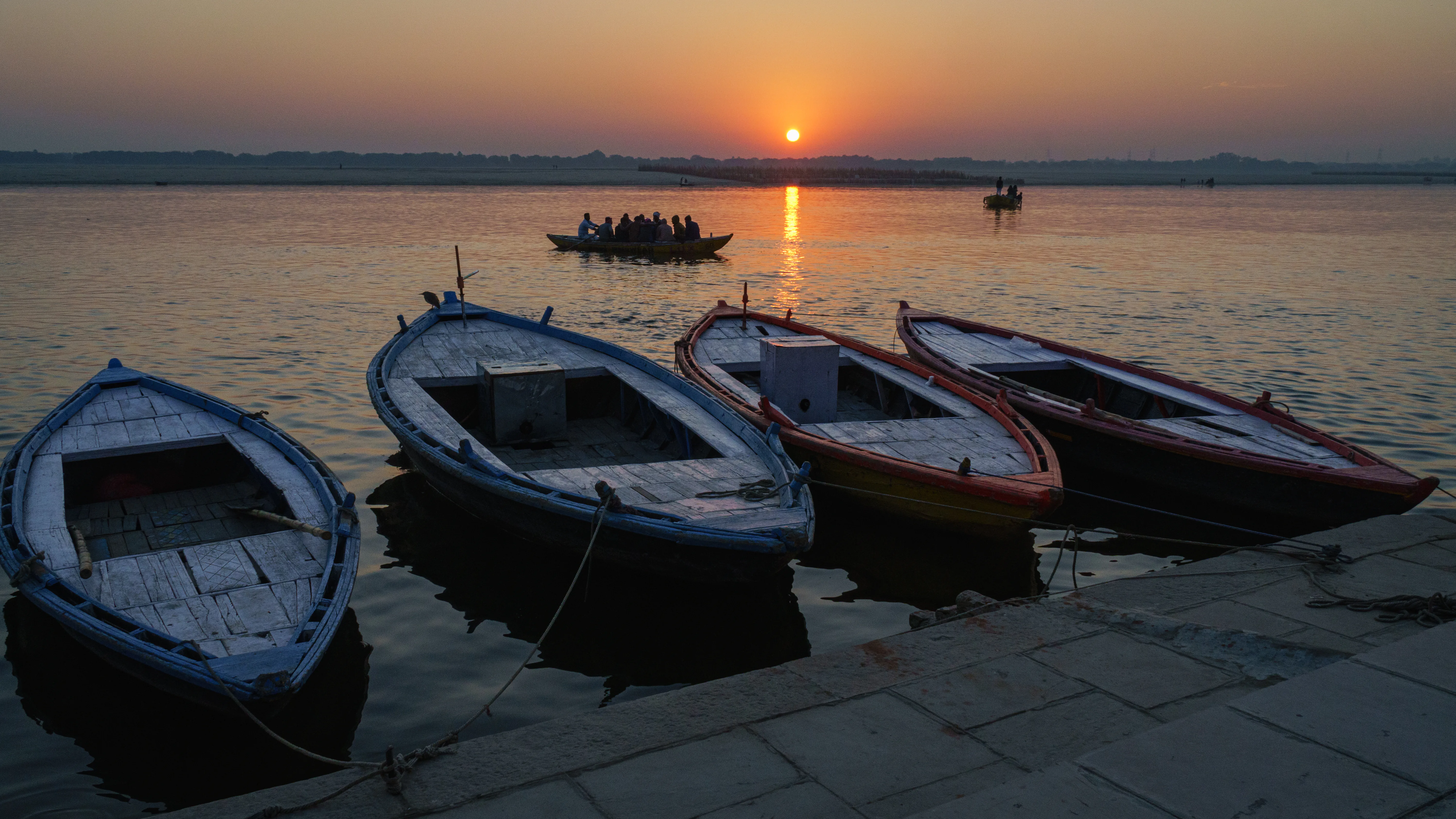
A Varanasi dawn on the Ganges
Experience the riverfront from a quiet boat or ghat walk, subject to water and weather conditions, without intruding on private ritual.
2 hours · Outdoor
Lucknow through Bara Imambara
Use the Imambara complex as the architectural opening to Nawabi Lucknow, then continue into the old city with a historically grounded guide.
Half day · Both
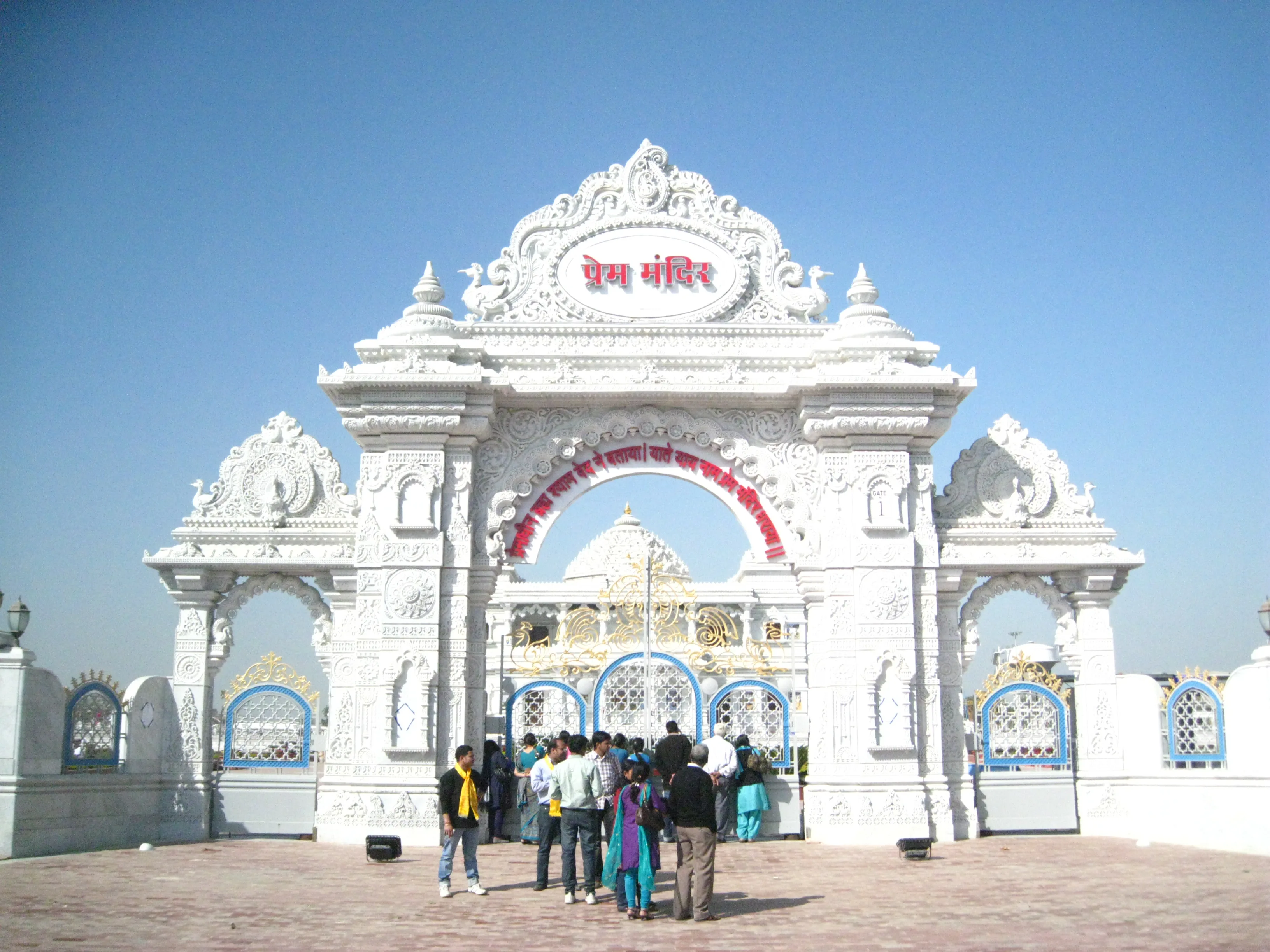
Mathura and Vrindavan as living Braj
Choose a small number of temples, ghats and lanes with enough time for current worship access, queues and evening rhythm.
Full day or overnight · Both
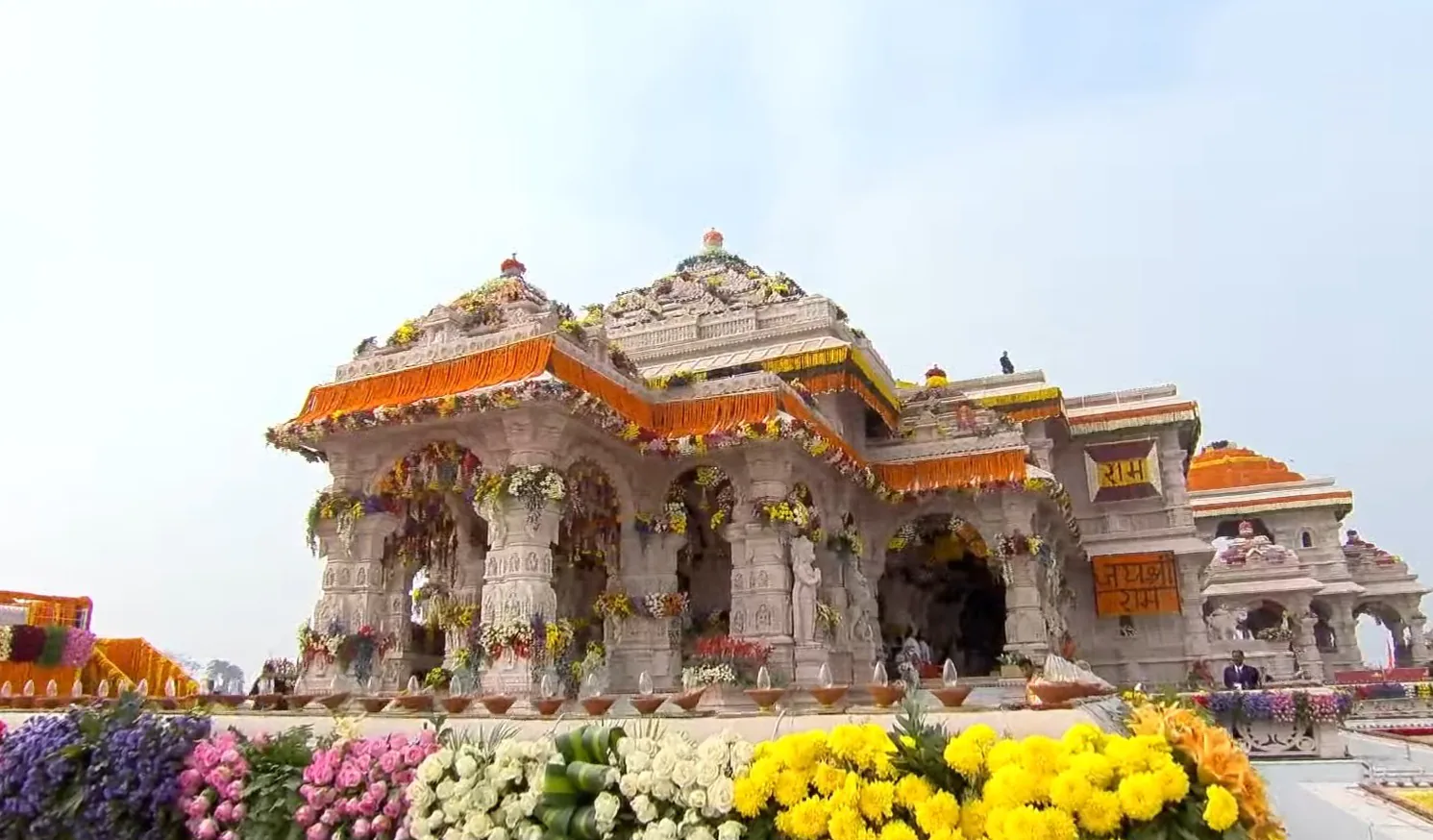
Ayodhya beyond a single temple queue
Plan the current access process carefully, then balance the principal pilgrimage visit with Sarayu-side time and a slower reading of the city.
1 to 2 nights · Both
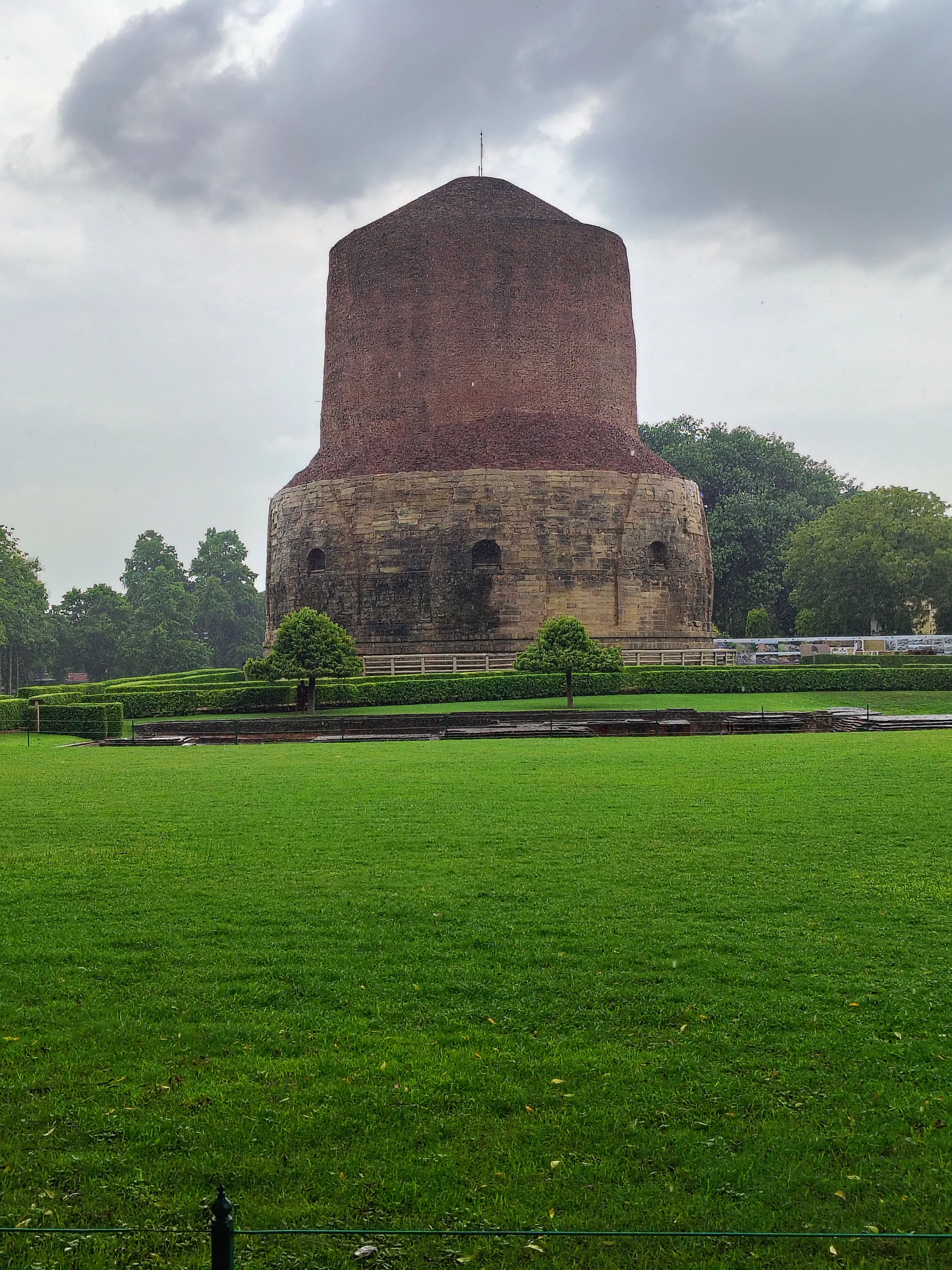
Sarnath's quieter Buddhist landscape
Give the Dhamek Stupa and archaeological grounds a reflective half-day, adding museum context only when current opening permits.
Half day · Both
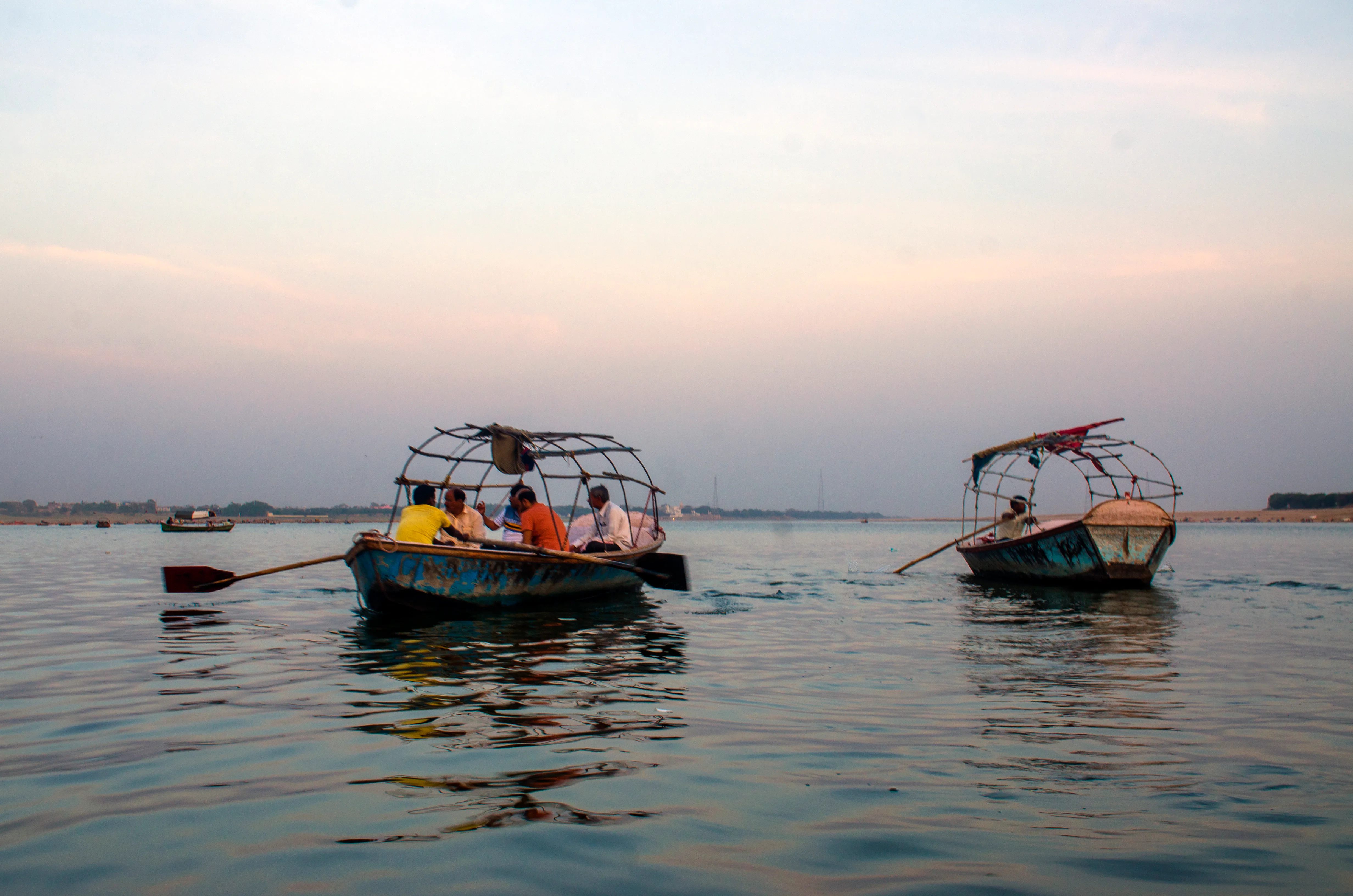
Prayagraj from the water
Reach the Sangam with a trusted local arrangement, treating river safety, weather and major-event controls as part of the plan.
2 to 3 hours · Outdoor
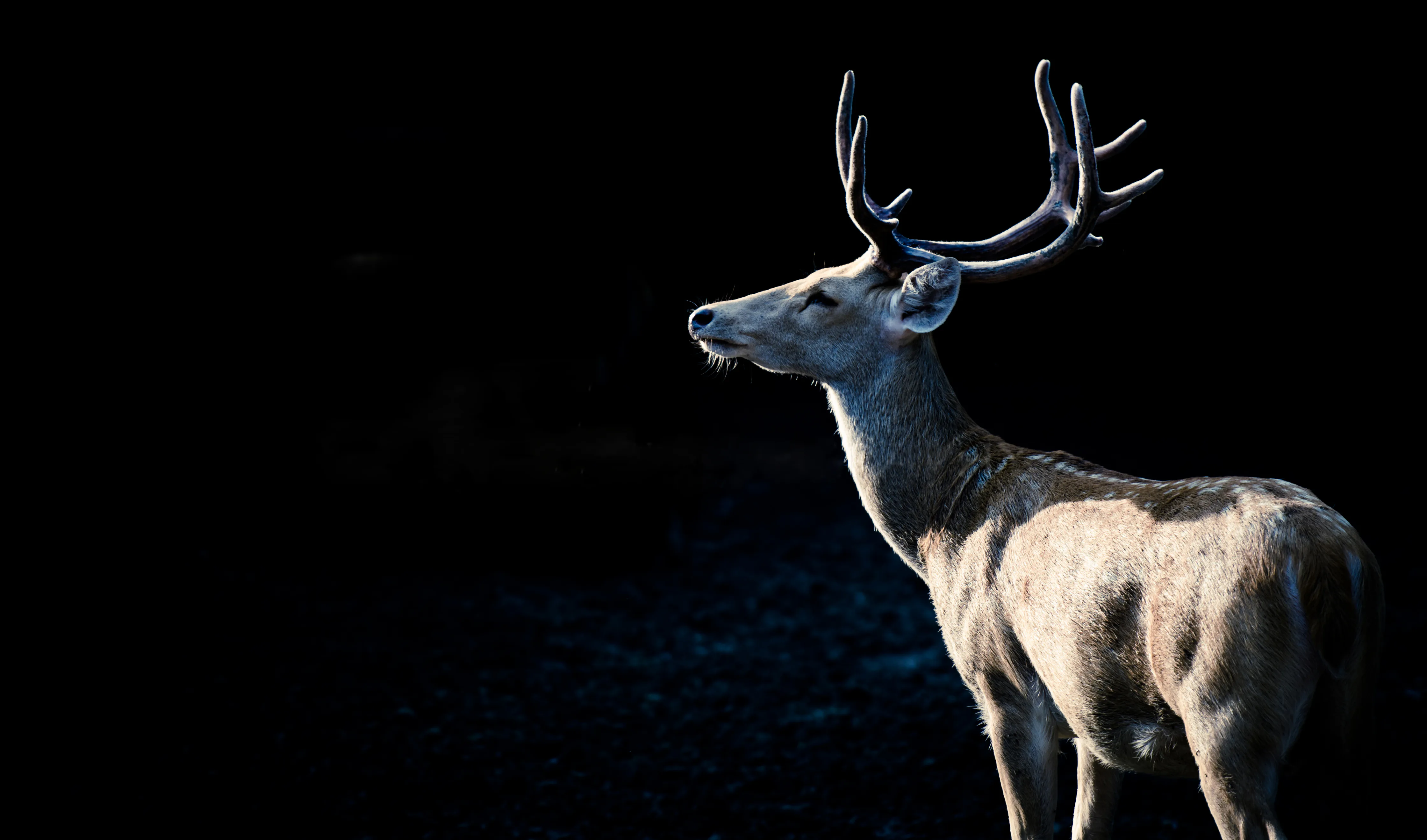
The Terai on Dudhwa's terms
Travel for grassland, forest, birds and patient observation with an authorised safari; wildlife sightings remain entirely uncertain.
2 to 3 nights · Outdoor
First-visit anchors
Ten places to build an Uttar Pradesh journey around
Agra
Taj Mahal
The marble mausoleum and garden ensemble is the western circuit's defining monument and deserves a complete, unhurried visit.
- Duration
- 2 to 3 hours
- Best time
- Early suitable public window; verify closure and entry rules
- Setting
- Outdoor
Near Agra Fort, Mehtab Bagh, Itimad-ud-Daulah
Agra
Agra Fort
A vast Mughal palace-fort that makes the imperial city legible and creates a strong historical pairing with the Taj Mahal.
- Duration
- 2 to 3 hours
- Best time
- Morning or late afternoon; verify current access
- Setting
- Both
Near Taj Mahal, Itimad-ud-Daulah, old Agra
Agra district
Fatehpur Sikri
Akbar's planned capital is a World Heritage ensemble of palaces, courts and religious buildings best treated as a half-day excursion.
- Duration
- Half day
- Best time
- Cooler morning; verify current access
- Setting
- Outdoor
Near Agra, Bharatpur, western circuit
Braj
Mathura and Vrindavan
Twin pilgrimage centres where active temples, ghats and devotional traditions require selective planning and respectful timing.
- Duration
- Full day or overnight
- Best time
- Cooler months; verify temple and festival guidance
- Setting
- Both
Near Govardhan, Gokul, Agra
Lucknow
Bara Imambara
A major Nawabi complex whose architecture, courtyards and surrounding old-city fabric reward guided interpretation.
- Duration
- 2 to 3 hours
- Best time
- Morning; verify current access
- Setting
- Both
Near Rumi Darwaza, Chota Imambara, old Lucknow
Terai, Lakhimpur Kheri
Dudhwa National Park
A protected grassland, wetland and forest landscape for authorised safaris, naturalist-led interpretation and patient wildlife observation.
- Duration
- 2 to 3 nights
- Best time
- Current operating season only; verify gate and permit
- Setting
- Outdoor
Near Kishanpur Wildlife Sanctuary, Katarniaghat Wildlife Sanctuary, Palia Kalan
Ayodhya
Ayodhya and the Sarayu
A living pilgrimage city where the principal temple visit, riverfront and wider sacred geography need current crowd and access planning.
- Duration
- 1 to 2 nights
- Best time
- October to March; verify major-event guidance
- Setting
- Both
Near Sarayu ghats, Hanuman Garhi, Lucknow
Varanasi
Varanasi ghats and old city
The riverfront, lanes and living faith traditions form an intense urban landscape best experienced across more than one time of day.
- Duration
- 2 to 3 nights
- Best time
- October to March; river plans depend on conditions
- Setting
- Both
Near Kashi Vishwanath, Assi Ghat, Sarnath
Near Varanasi
Dhamek Stupa and Sarnath
A foundational Buddhist site and archaeological landscape that offers a slower, reflective contrast to central Varanasi.
- Duration
- Half day
- Best time
- Morning; verify museum and site hours
- Setting
- Both
Near Varanasi, archaeological museum, monastic sites
Prayagraj
Triveni Sangam
The sacred confluence is the city's defining landscape, experienced most responsibly with current river and crowd guidance.
- Duration
- 2 to 3 hours
- Best time
- Cooler morning; confirm river conditions and event controls
- Setting
- Outdoor
Near Anand Bhawan, Prayagraj Museum, Varanasi
Curated journeys
Recommended Uttar Pradesh journeys
Tailored itinerary
Tell us about your Uttar Pradesh trip
Our advisors are preparing the right journeys. Share a few details and we'll shape a considered route for you.
Planning, refined
Travel Uttar Pradesh with more ease
Choose one circuit first
Agra–Braj, Lucknow–Ayodhya, Varanasi–Sarnath–Prayagraj and Dudhwa are distinct journeys. Add a second only when the nights and transfers genuinely fit.
Protect the first and last light
Use early mornings and cooler evenings for monuments, riverfronts and old-city walks, especially outside winter.
Verify every operating detail
Temple access, monument closures, museum hours, boats, safaris, trains and flights can change. Recheck with the relevant official operator close to travel.
Treat living faith with care
Dress appropriately, follow security and photography instructions, avoid interrupting worship, and keep respectful distance from private rites.
Use food as a city chapter
Choose established, busy places and safe drinking water. A focused Lucknow or Varanasi tasting route is more rewarding than continuous snacking across a packed day.
Keep river plans conditional
Boat access and sensible timing depend on water, weather, visibility and local controls. Always retain a walkable or indoor alternative.
Give Dudhwa its own logistics
Confirm the operating season, gate, permit, transport and daylight arrival before treating the Terai as a fixed part of the itinerary.
Use Delhi and Jaipur as onward pairings
Delhi can lead into Mathura, Vrindavan and Agra; Jaipur can continue the Golden Triangle after Agra. Protect overnight stays rather than building repeated long day trips.
Before you go
Uttar Pradesh FAQs
How many days are ideal for Uttar Pradesh?
Four to six nights works for one principal circuit. Seven to ten nights can combine two compatible chapters, but the state is too large for a satisfying all-in-one first trip.
Which circuit is best for a first visit?
Choose Agra with Mathura and Vrindavan for a compact western route, Lucknow with Ayodhya for Awadhi culture and pilgrimage, or Varanasi with Sarnath and Prayagraj for a river-and-heritage journey.
Can Agra, Mathura and Vrindavan be visited from Delhi?
Yes, but the route is stronger with at least one or two overnight stays. Use Delhi as the gateway, then move through Braj and Agra instead of repeating long same-day returns.
What is the best time to visit Uttar Pradesh?
October to March offers the broadest comfortable sightseeing conditions. Winter fog can affect transport, April to June can be intensely hot, and monsoon requires rain and river flexibility.
Is Varanasi suitable for families?
Yes, with a light schedule, a carefully chosen base and shorter river or lane experiences. Very young children, limited mobility and crowd sensitivity should shape the hotel location and transfer plan.
How should travellers plan temple visits?
Check current opening, security, permitted belongings, dress and festival guidance from the temple or local authority. Avoid building a day around assumed evergreen timings.
Is Dudhwa an easy add-on to Lucknow?
It needs its own two- or three-night plan, daylight transfer and confirmed safari access. Treat it as a Terai wildlife journey, not an automatic cultural-circuit day trip.
Are wildlife sightings guaranteed in Dudhwa?
No. An authorised safari offers access to the habitat, not a guaranteed animal encounter. Travel for the forest, grassland, birds and patient observation.
Do Indian travellers need a visa for Uttar Pradesh?
No visa is required for domestic Indian travel. Carry normal government photo identification and confirm the current ID requirements for flights, trains, hotels, parks and controlled venues.
Does Uttar Pradesh pair well with Rajasthan?
Agra pairs naturally with Jaipur as part of the Golden Triangle after Delhi. Keep Lucknow, Ayodhya, Varanasi and Dudhwa as separate eastern or central chapters rather than forcing them into that western route.