

India's high-altitude desert
Ladakh
Ladakh, with enough time to breathe it in.
Begin gently in Leh, then choose one coherent mountain story: Nubra and Pangong, the monasteries and Sham Valley, Changthang's quieter lakes, or a longer Zanskar journey. Altitude, road conditions and protected-area rules—not a crowded checklist—set the pace here.
Broad leisure window
May to September
First 48 hours
Rest and acclimatise in Leh
Ideal first trip
7 to 10 nights
Air gateway
Leh (IXL)
Travel feel
Scenic, cultural, high-altitude
One landscape, several different journeys
Let altitude and distance shape the route
Leh is the acclimatisation base and cultural centre, not a transfer lounge. Its palace, old town, nearby monasteries and Indus Valley make the first days rewarding without pushing immediately toward a higher pass or lake.
Nubra, Pangong, Changthang, Sham Valley, Kargil and Zanskar pull in different directions. A strong first trip normally chooses one circuit after Leh, protects road buffers and treats every high-altitude outing as conditions-led. The official Ladakh Tourism advisory calls for at least 48 hours of rest after arriving in Leh before higher-altitude travel.
- Leh and the Indus Valley
- Nubra Valley
- Pangong Tso
- Thiksey and Hemis
- Sham Valley and Lamayuru
- Changthang and Zanskar
Before the route map
Ladakh essentials
- Acclimatisation
- Keep the first 48 hours gentle
- Protected areas
- Rules depend on the exact route
- Road reality
- Passes and highways are conditions-led
- Remote travel
- Carry practical buffers
- Responsible travel
- Bring layers and sun protection
- Entry guidance
- No visa for domestic Indian travel
Follow the current official health advisory, rest after arrival and seek medical help if altitude symptoms develop.
Domestic tourists do not currently need a general Inner Line Permit, but notified areas may still require permits. Re-check the official portal before travel.
Weather, snow, maintenance, convoy controls and local advisories can reshape a transfer day.
Fuel, cash, connectivity and medical access thin out away from Leh; use an experienced local operator for remote circuits.
Strong sun, wind and rapid temperature changes can occur on the same day.
Carry valid government photo identification and any route-specific documents required by current authorities.
Arrival planning
Leh is the gateway—and the first destination
Kushok Bakula Rimpochee Airport
IXLLeh
The practical air gateway for most first-time Ladakh journeys. Use the first two days for rest and easy Leh-area time before a higher route.
Best for: Leh, Nubra and Pangong circuits, Indus Valley monasteries
A short road transfer into Leh; keep arrival day unscheduled
Srinagar–Kargil–Leh road
NH1Western approach
A scenic overland approach that can support more gradual ascent, with Kargil or another suitable halt built around current road advice.
Best for: Kargil, Lamayuru, A slower west-to-east route
Multi-day routing is preferable; opening and timings are seasonal
Manali–Leh road
NH3Southern approach
A high, seasonal road journey that needs current opening status, sensible overnight staging and careful altitude planning.
Best for: Experienced road travellers, Longer Himalayan itineraries
Treat as a multi-day high-altitude route, never a fixed-duration transfer
The season chooses the accessible Ladakh
Plan for the version that is actually open
Spring
March and April bring cold mornings, snow still on the high country and apricot blossom in selected lower valleys. Road access remains highly variable.
Summer
May to September is the broadest leisure window for Leh, monastery routes, Nubra and the high lakes, subject to current road, permit and weather conditions.
Autumn
Late September and October can bring clear light, fewer visitors and colder nights, while some seasonal services begin winding down.
Winter
November to February is severe and specialist. Choose it only with winter-ready logistics, realistic expectations and current local guidance.
January
Specialist winter trips only
Severe winter cold and snow · Very cold; remote conditions
Crowds: Low
Quiet Leh · Winter landscapes · Conditions-led cultural stays
February
Experienced, supported travellers
Deep winter continues · Very cold
Crowds: Low
Winter photography · Leh culture · Local guidance essential
March
Slow Leh-focused visits
Cold with early thaw · Cold days and nights
Crowds: Low
Monasteries · Clear mountain light · Early blossoms in lower valleys
April
Good for flexible cultural trips
Cold spring, variable road access · Cool to cold
Crowds: Increasing
Apricot blossom season · Leh heritage · Indus Valley
May
Strong with current route checks
Milder days; passes may reopen progressively · Cool, colder at altitude
Crowds: Moderate
Leh · Monastery circuit · Early-season Nubra
June
Excellent for first visits
Broad summer access · Pleasant sun, cold nights
Crowds: High
Nubra · Pangong · Hemis and Thiksey
July
Excellent with advance planning
Warmest broad travel period · Pleasant days, cool nights
Crowds: High
High lakes · Zanskar · Trekking
August
Strong for wider circuits
Summer with occasional disruption · Pleasant to cool
Crowds: High
Changthang · Nubra villages · Monastery routes
September
Excellent for photography and pacing
Clearer autumn transition · Cooler nights
Crowds: Moderate
Pangong · Tso Moriri · Sham Valley
October
Good for flexible, well-supported trips
Cold autumn; services reduce · Cold nights
Crowds: Low
Leh heritage · Clear skies · Shorter circuits
November
Winter-ready travellers only
Winter sets in · Very cold
Crowds: Low
Quiet Leh · Monastery life · Stark landscapes
December
Specialist supported visits
Severe winter · Very cold
Crowds: Low except holidays
Winter culture · Snow scenery · Indoor-led pacing
Two ways into the high desert
Why Leh and Ladakh are a biker's paradise—and brilliant for groups
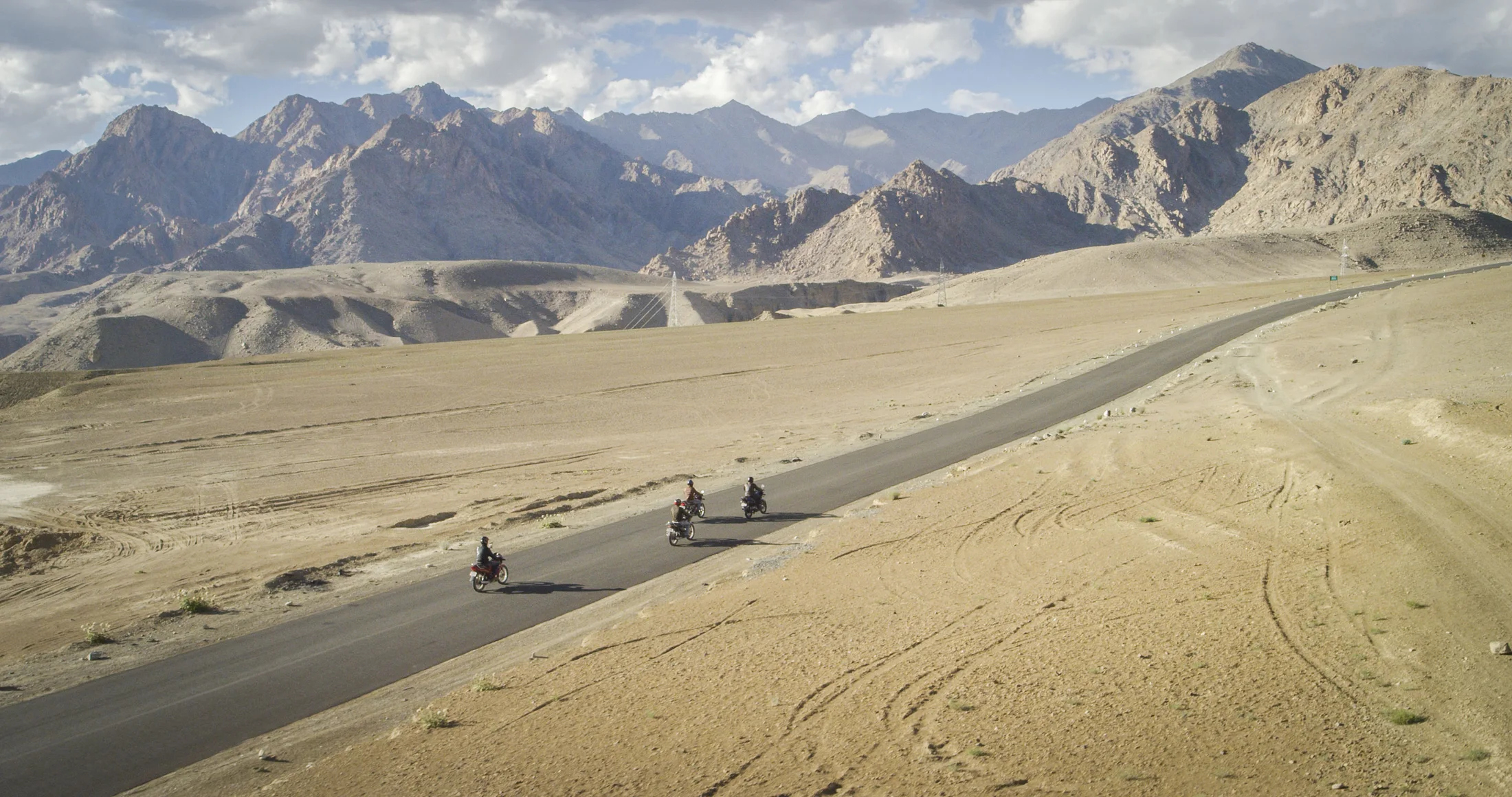
Ladakh makes the road part of the story. High passes open into valleys, monasteries break up the long horizons, and a shared arrival at Pangong or Nubra feels earned. Leh gives both riders and non-riding groups the practical base, local expertise and gentle first days that make the wider journey work.
Leh comes first: protect at least 48 gentle hours before the group climbs toward a higher pass, valley or lake.
The motorcycle journey
The road is the experience
This is not a ride built around one summit photograph. From Leh, the landscape changes chapter by chapter—Indus Valley roads, high passes, Nubra's open floor and the long approach to Pangong—so the riding itself carries as much meaning as each stop.
- 1Leh
- 2Sham Valley
- 3Nubra
- 4Pangong
- 5Leh
High passes connect real destinations
Khardung La and Chang La are not isolated trophies: they link Leh with Nubra and the eastern lake routes, turning geography into a memorable road narrative.
The scenery keeps changing
Barren mountains, river corridors, monasteries, dunes and blue high-altitude lakes give successive riding days a different visual identity.
Leh is a genuine rider base
Official District Leh guidance notes motorcycle-rental agencies for local routes, while local guides, mechanics and operators add practical support before the group heads remote.
The challenge creates camaraderie
Cold starts, long horizons and shared arrival moments make the journey social—but responsible riding, not bravado, is what gets the whole group there well.
Best for
Experienced riders who want a properly supported high-altitude journey, not a speed challenge
Plan around
- Protect at least 48 gentle hours in Leh before climbing higher
- Use a registered operator with route, support-vehicle, first-aid and recovery planning
- Re-check road status, weather, fuel, permits and local motorcycle rules close to travel
- Match the day's pace to the least experienced rider and never pressure the group to keep up
The friends' group tour
Big shared moments without making everyone ride
Ladakh also works beautifully as a private group road journey. Friends can share the same dramatic circuit in comfortable vehicles—or mix supported riders with non-riders—then come together for viewpoints, monastery visits, meals and unhurried evenings.
- 1Leh
- 2Indus Valley
- 3Nubra
- 4Pangong
- 5Leh
The wow moments are naturally shared
A first view across the Indus Valley, the descent into Nubra and Pangong's shifting blue reward a group at the same moment without needing staged entertainment.
One circuit supports different comfort levels
A well-planned convoy can keep riders, non-riders and travellers who need a gentler day within one coherent journey instead of splitting the holiday.
Leh gives the group room to gather
The old town, cafés, market, palace and nearby monastery circuit make the acclimatisation days social and worthwhile before the remote drive begins.
The landscape leaves space for connection
Long road chapters, quiet stays and fewer urban distractions create the kind of uninterrupted time that friends and clubs travel together to find.
Best for
Friends, alumni groups, clubs and milestone trips with mixed riding ability and comfort levels
Plan around
- Agree on altitude fitness, rooming, meal needs and comfort before fixing the route
- Use suitable group vehicles and keep a non-riding seat available where riders are included
- Protect a weather and road buffer instead of stacking every lake and pass
- Keep the final night in Leh so the entire group has margin before departure
The best group is not the biggest one. It is the one that agrees on riding ability, comfort, altitude pacing and a plan that can change when the mountain does.
Choose the right Ladakh
Five ways to shape the journey
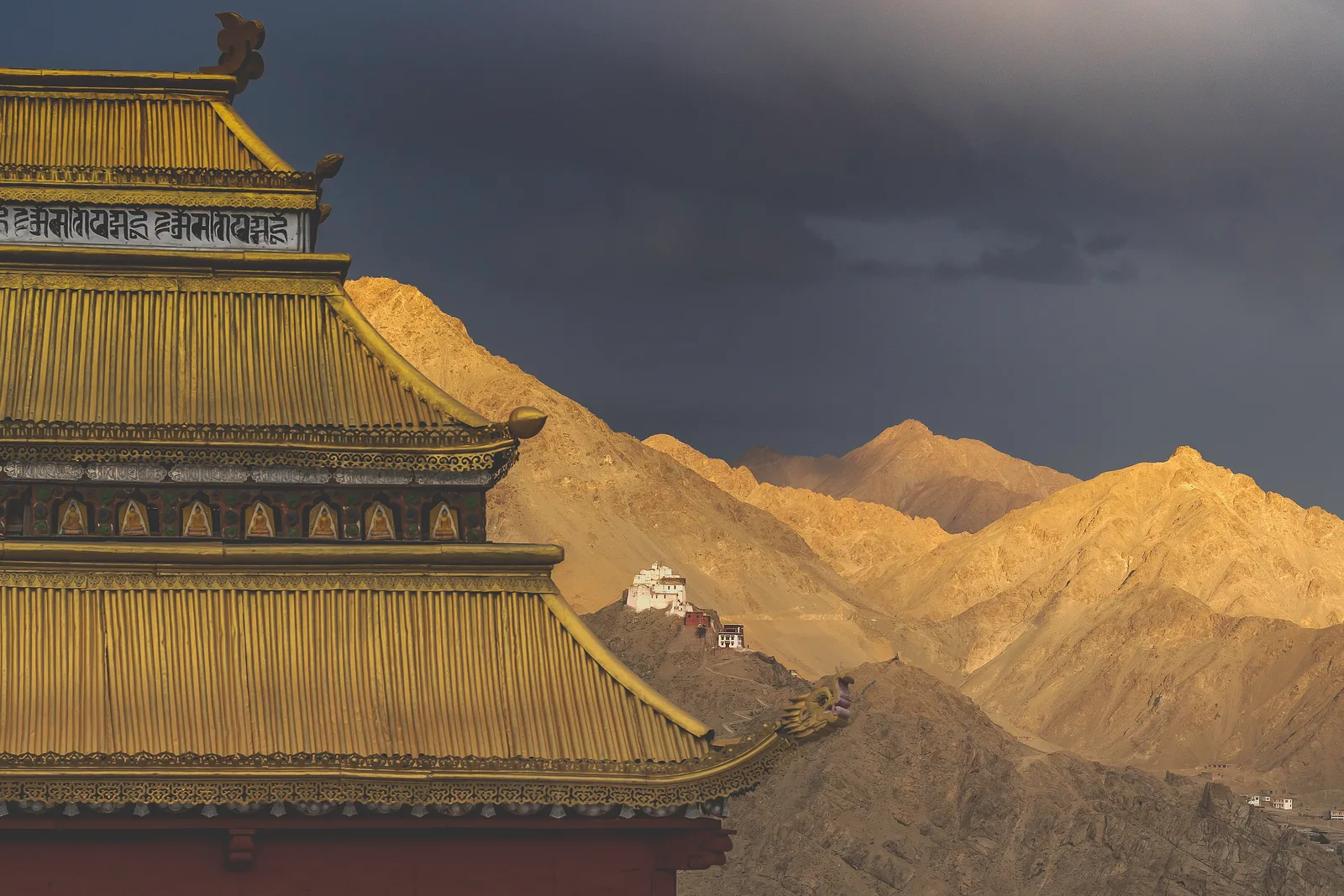
Two gentle Leh days
Rest first, then add one easy heritage or monastery outing without treating acclimatisation as lost time.
2 nights · Both
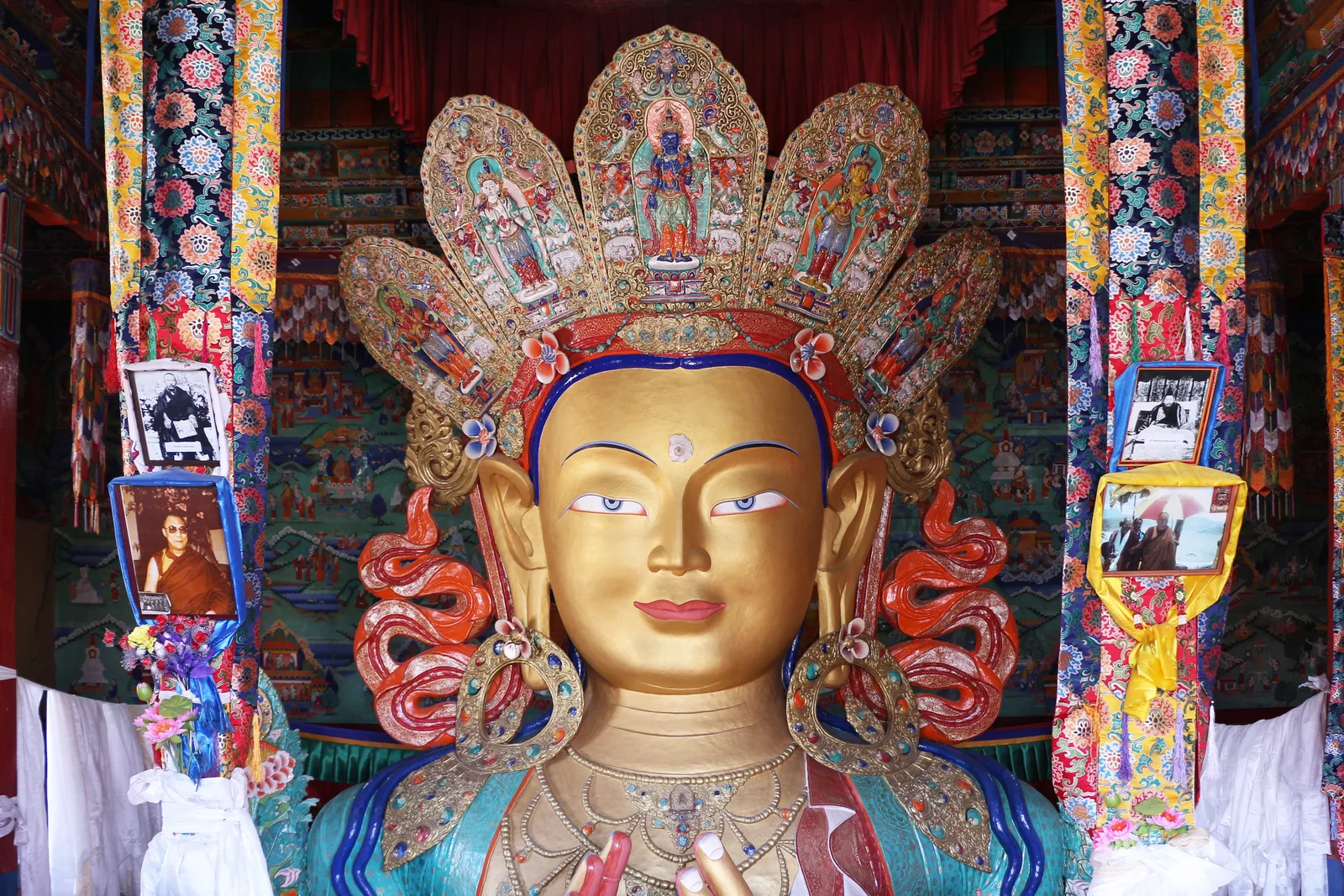
Thiksey and the Indus Valley
Build a calm cultural day around one or two monasteries rather than racing between every gompa east of Leh.
Half to full day · Both
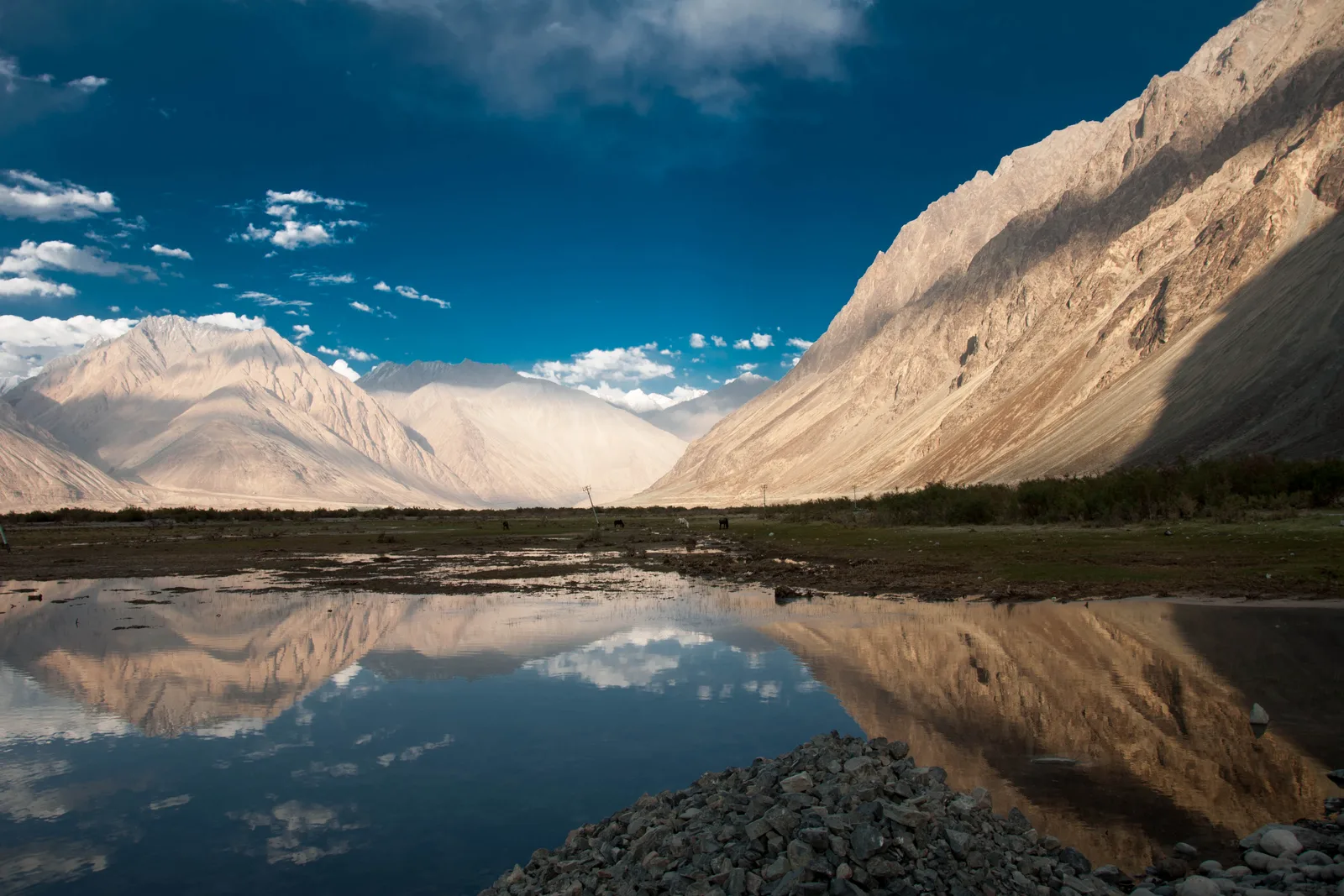
Nubra with two nights
Give the valley enough time for Diskit, Hunder and village landscapes instead of crossing Khardung La only for a photograph.
2 to 3 nights · Outdoor
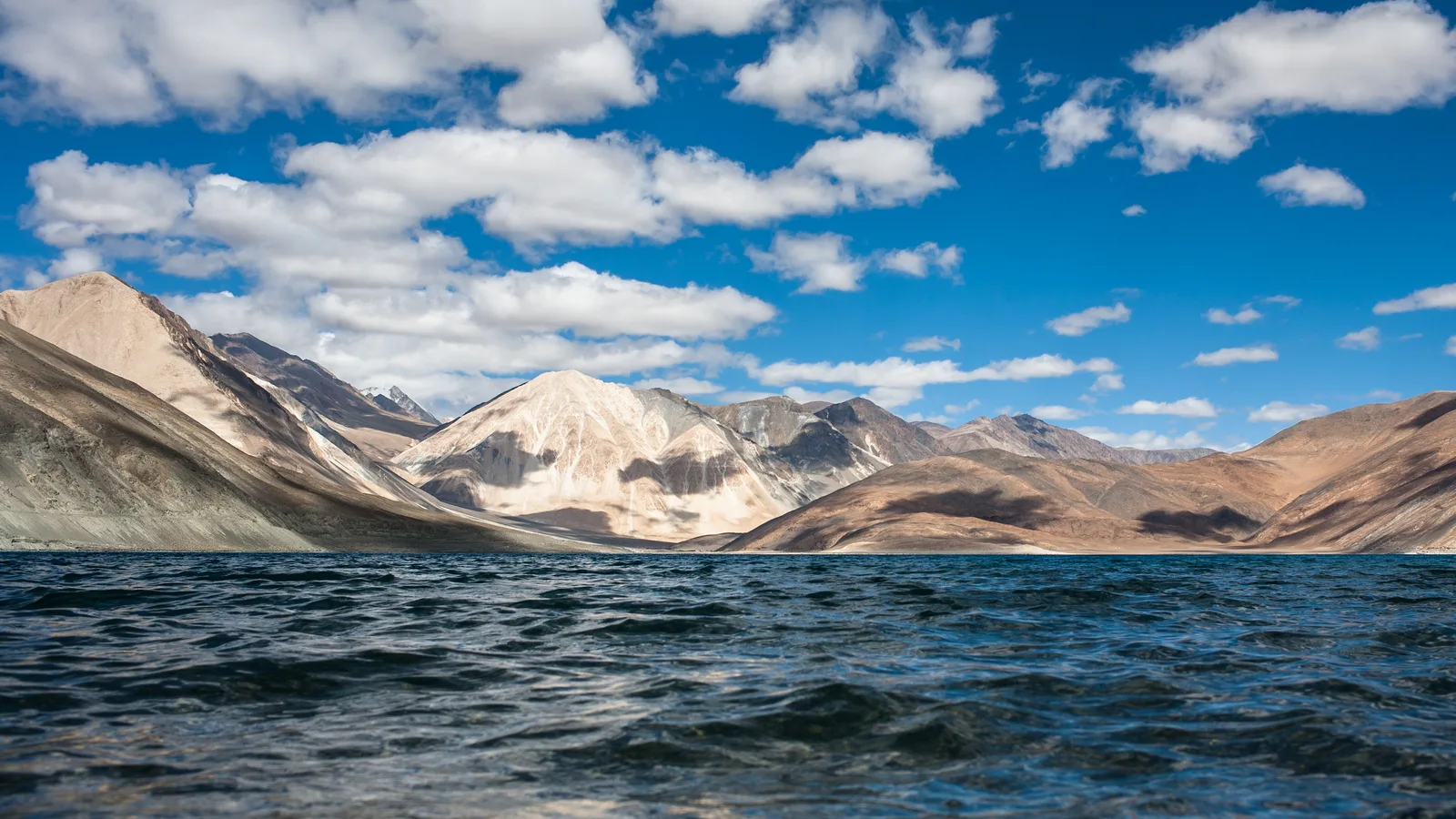
Pangong as an overnight
Stay only after confirming route, accommodation and local environmental rules; otherwise choose a longer day with generous buffers.
1 night · Outdoor
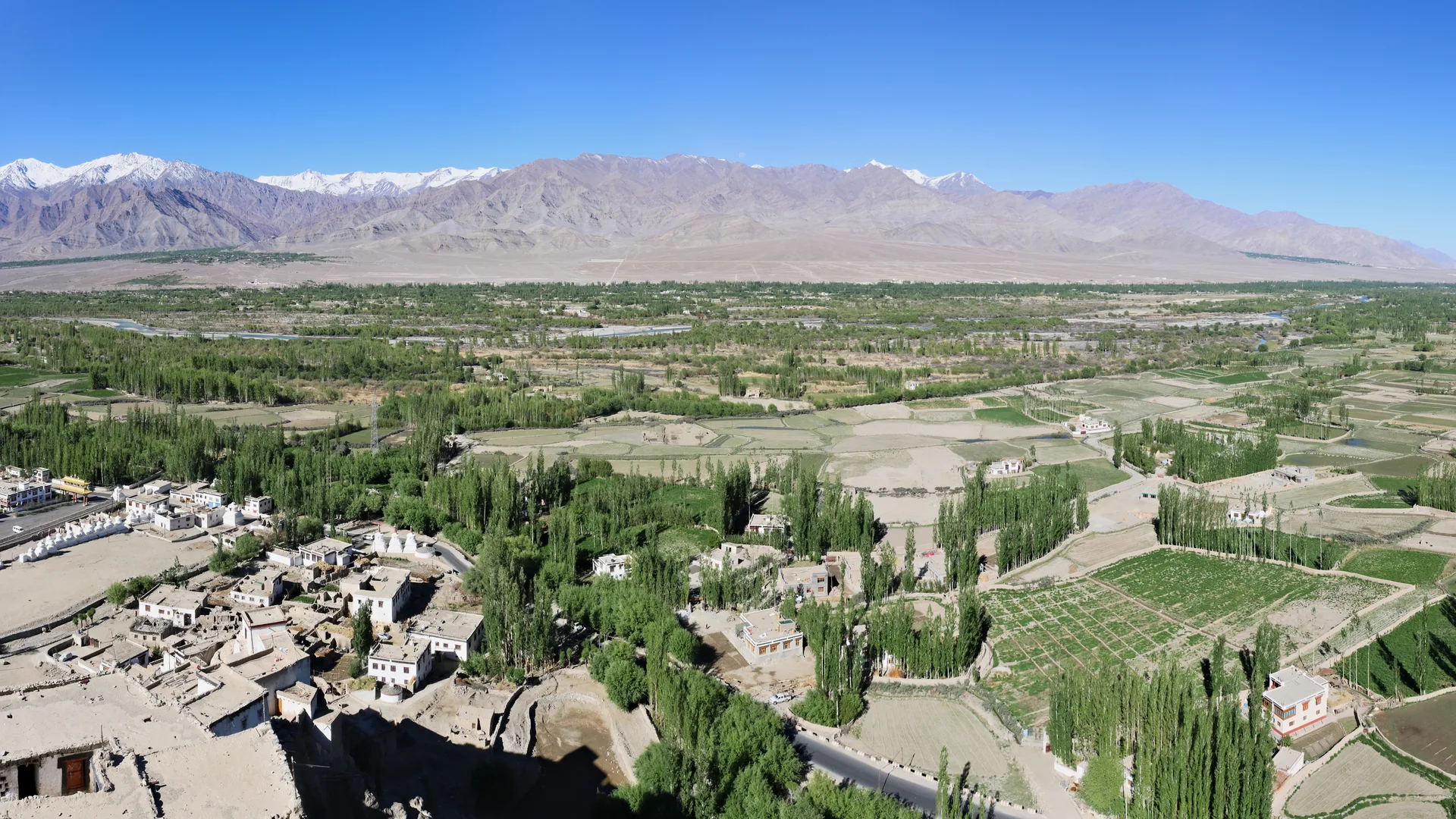
A spare weather day
Keep one flexible day in Leh before departure so a road delay does not become a missed flight.
1 day · Both
Ladakh, deliberately paced
Eight signature experiences
Watch the Indus Valley open below Leh
Use the first gentle days to understand the scale of Ladakh before crossing toward its remote valleys.
Half day · Outdoor
Spend two nights in Nubra
Make room for Diskit, Hunder and a village morning so the valley becomes more than a pass crossing.
2 to 3 nights · Both
Meet Pangong without the rush
Approach the lake with confirmed access, a low-impact stay and enough daylight margin for the road.
1 to 2 nights · Outdoor
Follow a monastery morning
Choose one active monastery, observe respectfully and let its setting and ritual rhythm lead the visit.
2 to 4 hours · Both
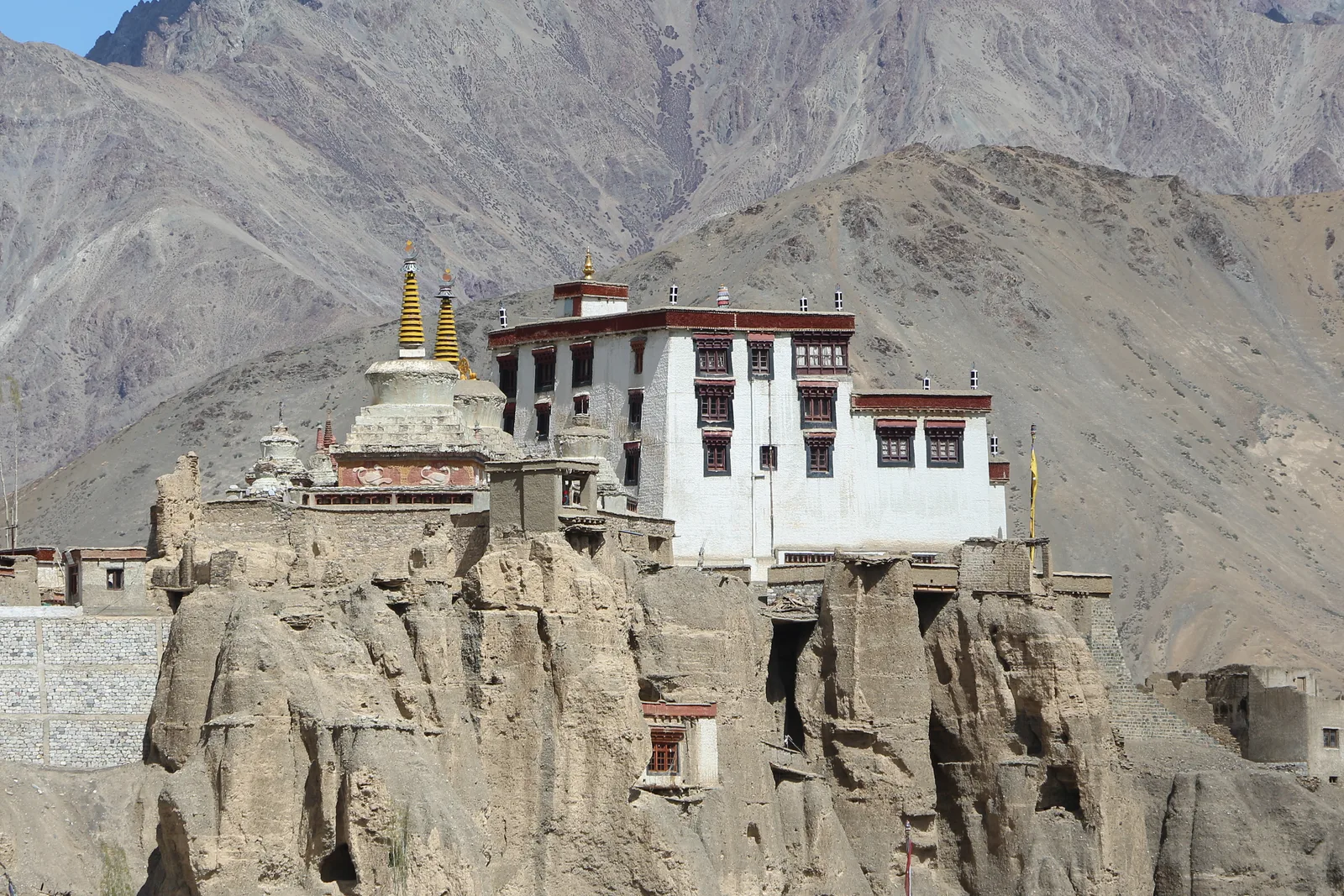
Trace the Sham Valley
Link Alchi, Lamayuru and the western Indus corridor at a pace that preserves the art and landscape.
1 to 2 nights · Both
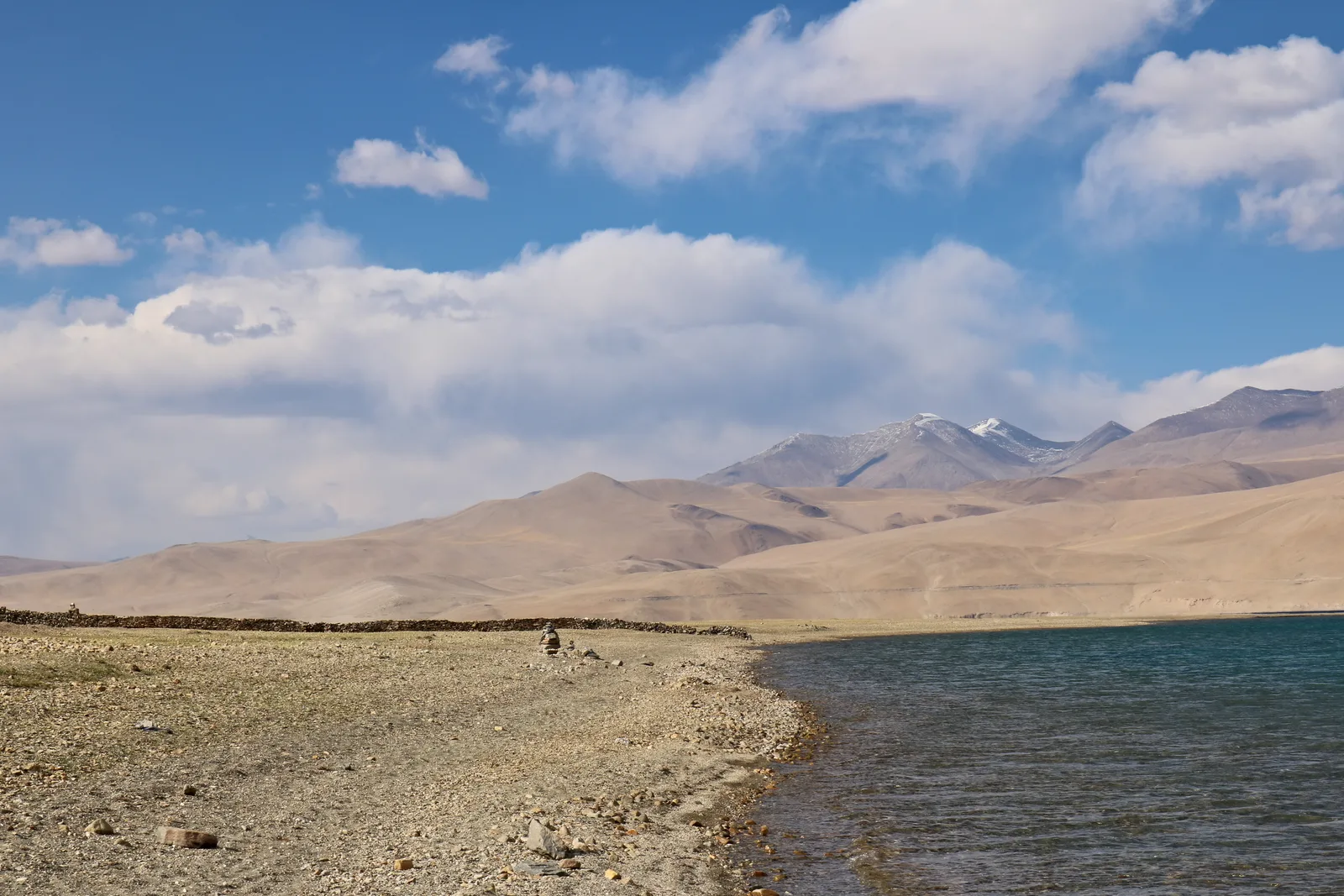
Choose Tso Moriri over another checklist
The remote lake rewards travellers who have acclimatised well and can commit to Changthang's distance and simplicity.
2 nights · Outdoor
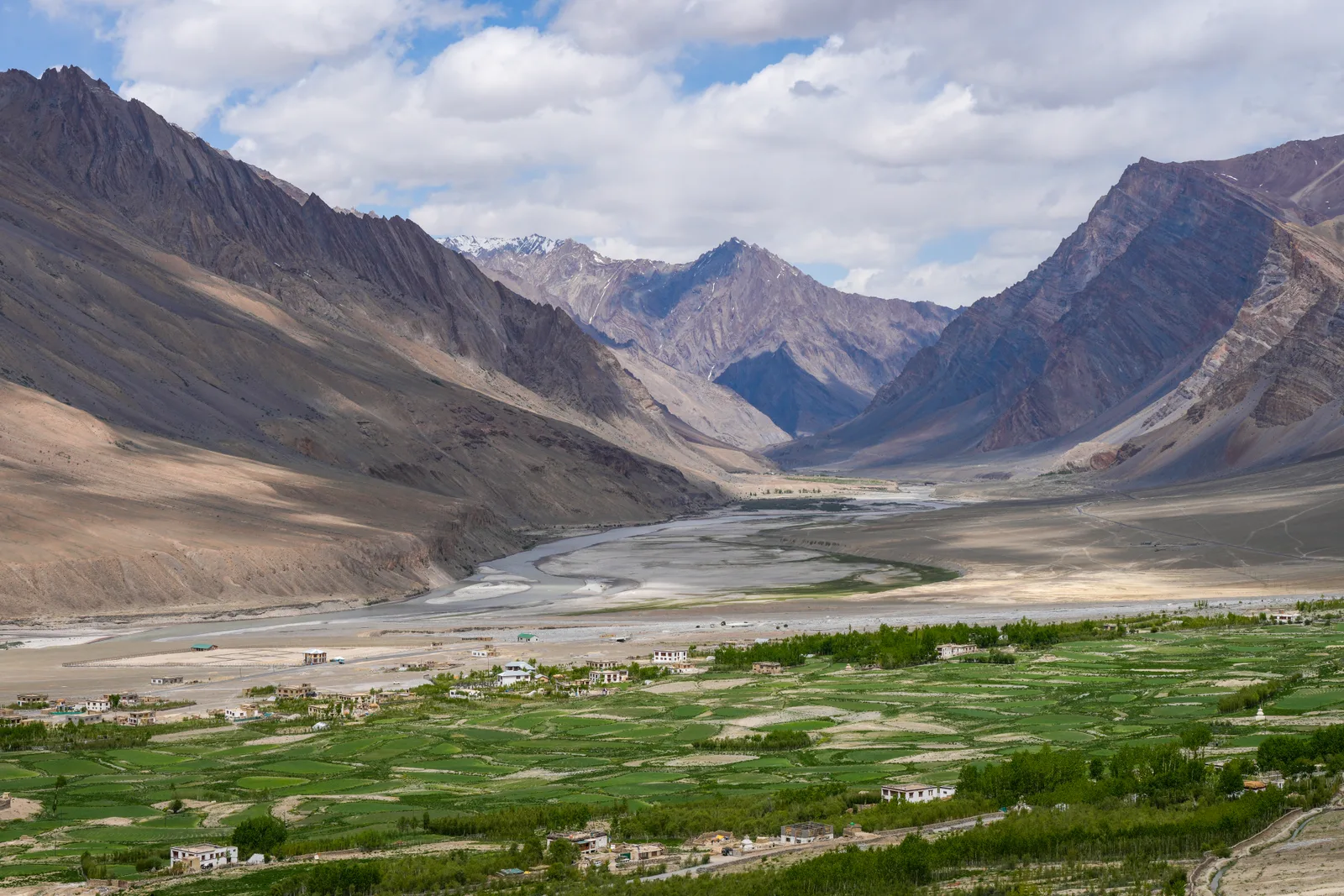
Give Zanskar its own chapter
Use several nights for river valleys, villages and monasteries rather than forcing Zanskar into a wider Ladakh loop.
4 to 7 nights · Outdoor
Taste Ladakh through local kitchens
Build in apricot products, breads, momos and regional dishes with locally run stays and eateries.
One meal to a full day · Indoor
First-visit essentials
Ten places to build around
Leh
Leh old town and palace
The cultural and logistical heart of a first Ladakh trip, with heritage lanes and wide valley views.
- Duration
- Half to full day
- Best time
- After initial rest; April to October
- Setting
- Both
Near Shanti Stupa, Leh market, Sankar
Indus Valley
Thiksey Monastery
A dramatic hilltop monastery whose active religious life deserves a respectful, unhurried visit.
- Duration
- 2 to 3 hours
- Best time
- Broadly year-round; check access
- Setting
- Both
Near Shey, Stakna, Leh
Indus Valley
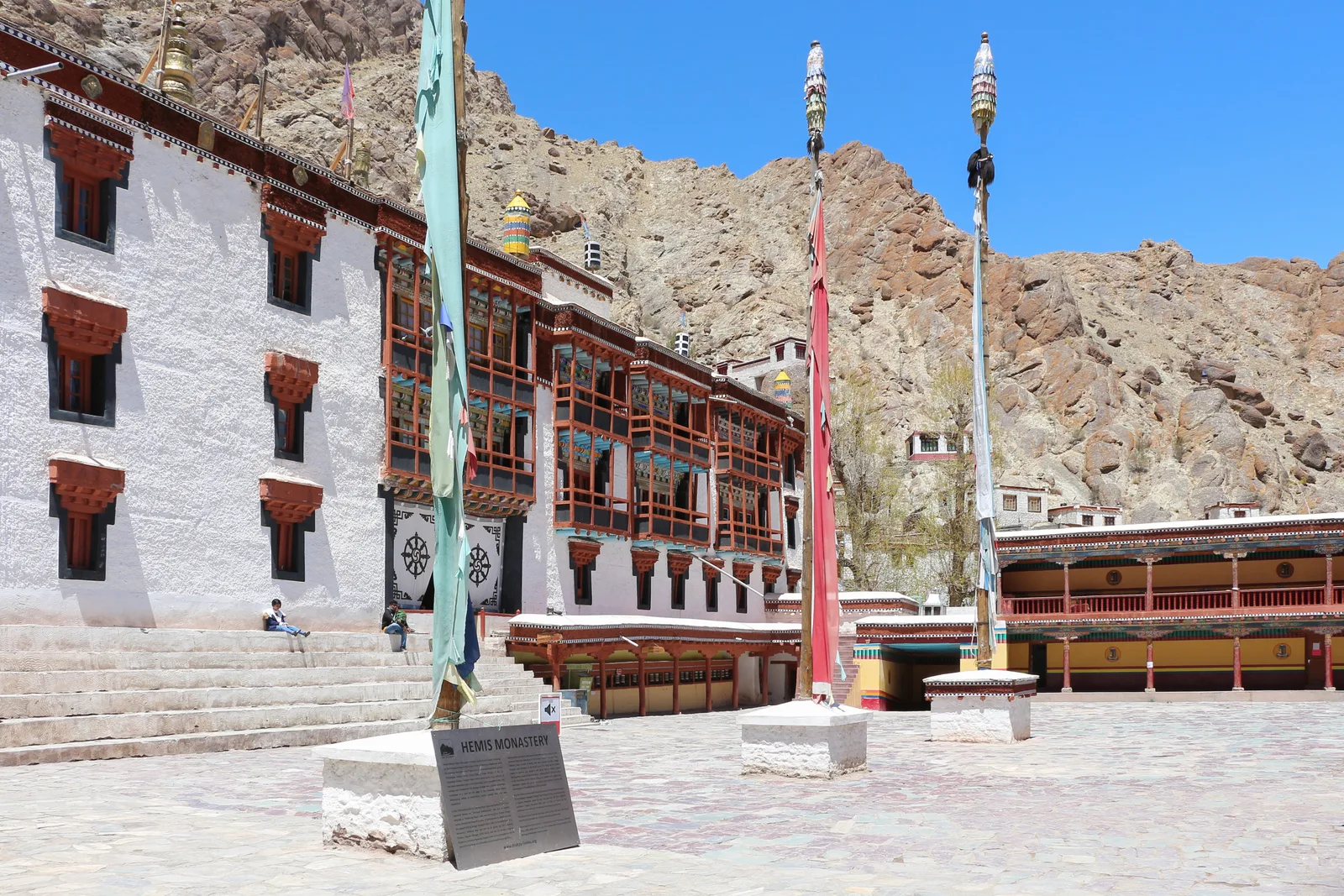
Hemis Monastery
A major monastic complex best experienced with time for its courtyard, museum and mountain setting.
- Duration
- Half day
- Best time
- Broadly year-round
- Setting
- Both
Near Thiksey, Stakna, Hemis National Park
North of Leh
Nubra Valley
A broad valley of villages, orchards, dunes and river landscapes that merits at least two nights.
- Duration
- 2 to 3 nights
- Best time
- May to September
- Setting
- Outdoor
Near Diskit, Hunder, Sumur
Changthang
Pangong Tso
A high-altitude lake of shifting blue, reached on a long conditions-led route from Leh or Nubra.
- Duration
- 1 to 2 nights
- Best time
- May to September
- Setting
- Outdoor
Near Spangmik, Chang La, Tangtse
Changthang
Tso Moriri
A remote high lake for travellers with sound acclimatisation, appropriate permits and patient logistics.
- Duration
- 2 nights
- Best time
- June to September
- Setting
- Outdoor
Near Korzok, Tso Kar, Chumathang
Sham Valley
Lamayuru
A historic monastery and sculpted landscape on the western route toward Kargil.
- Duration
- Half day to 1 night
- Best time
- May to October
- Setting
- Both
Near Alchi, Basgo, Kargil road
Sham Valley
Alchi Monastery complex
A heritage stop known for early wall paintings, approached as a conservation-sensitive cultural visit.
- Duration
- 2 to 3 hours
- Best time
- May to October
- Setting
- Both
Near Likir, Basgo, Lamayuru
Zanskar
Zanskar Valley
A remote mountain-and-river region that becomes a complete journey rather than an extension from Leh.
- Duration
- 4 to 7 nights
- Best time
- Summer, road-dependent
- Setting
- Outdoor
Near Padum, Karsha, Zangla
Leh
Shanti Stupa
A gentle later-acclimatisation viewpoint over Leh, best reached without turning the first day into strenuous sightseeing.
- Duration
- 1 to 2 hours
- Best time
- After initial rest; April to October
- Setting
- Outdoor
Near Leh Palace, Sankar, Leh market
Curated journeys
Recommended Ladakh journeys
Tailored itinerary
Tell us about your Ladakh trip
Our advisors are preparing the right journeys. Share a few details and we'll shape a considered route for you.
Planning, refined
Travel Ladakh with more ease
Treat acclimatisation as the itinerary
The first 48 hours in Leh are a health and trip-quality investment. Keep exertion low and follow current official medical guidance.
Never promise a pass or lake
Roads, passes, permits and remote stays can change. Confirm the exact route close to travel and keep a practical alternative.
Protect the last night in Leh
Return from remote sectors before the departure day so a road delay does not immediately threaten the flight.
Use local, registered expertise
Remote circuits, treks and regulated areas benefit from an experienced local operator who understands current conditions and documents.
Carry less plastic and more water discipline
Use refillable bottles where safe, take waste back from fragile lake and valley landscapes, and follow local disposal rules.
Respect living monasteries
Dress modestly, observe photography restrictions, keep voices low and never interrupt ritual activity for a photograph.
Before you go
Ladakh FAQs
How many days are ideal for a first Ladakh trip?
Seven to ten nights is a sensible first range: at least two gentle nights in Leh, one coherent circuit such as Nubra and Pangong, and a buffer before departure. Zanskar or a wider Changthang journey needs longer.
Do Indian travellers need an Inner Line Permit?
Current UT Ladakh guidance says domestic tourists do not need a general Inner Line Permit, while permits remain mandatory for notified areas under the applicable framework. Rules and mapped areas can change, so verify the official Leh/UT portal for the exact route immediately before travel.
Why should I rest for 48 hours in Leh?
Leh is already at high altitude. The official Ladakh Tourism advisory calls for at least 48 hours of rest before travelling higher. Stop ascending and seek medical help if symptoms develop.
Can I combine Nubra, Pangong and Tso Moriri?
Yes only when the trip is long enough, the traveller is well acclimatised and current roads, permits, fuel and stays support the route. For a first visit, Nubra plus Pangong is usually the more realistic core circuit.
Is Ladakh suitable for families?
It can be, with medical suitability, slow acclimatisation, conservative road days and a route that matches each traveller's age and comfort. Families should avoid treating high altitude as an ordinary hill-station break.
When is the broadest time to visit?
May to September is the broadest leisure window, but no month guarantees every pass or route. April and October can reward flexible cultural travel; winter needs specialist support.
Should Pangong be a day trip?
It is a long high-altitude road day. An overnight can improve the pace when accommodation and access are suitable, but the decision should follow health, weather, route and environmental conditions.
Is mobile connectivity reliable?
Do not rely on continuous connectivity outside Leh. Carry offline copies of bookings and identification, share the route in advance and confirm current network advice with the operator or host.