
India's layered capital
Delhi
Delhi, experienced as many cities—not one long checklist.
Mughal Shahjahanabad, ceremonial New Delhi, the garden-tombs of Nizamuddin and Lodhi, and the older landscape of Mehrauli each deserve their own rhythm. Choose two nearby clusters a day, begin outside early, and let food, faith and living neighbourhoods connect the monuments.
Best broad window
October to March
Ideal first stay
3 to 4 nights
Air gateway
Indira Gandhi International (DEL)
Best way to plan
One or two nearby clusters per day
Travel feel
Historic, energetic, food-led
A capital built in layers
Plan Delhi by neighbourhood and era
Delhi is easier to understand as a set of distinct urban chapters. Shahjahanabad brings the Red Fort, Jama Masjid and market lanes; central New Delhi brings India Gate, broad ceremonial avenues and Connaught Place; Nizamuddin and Lodhi connect garden-tombs, green space and living spiritual traditions; Mehrauli reaches back through the Qutb complex and the city's earliest surviving Sultanate landscape.
A strong first visit protects the morning for outdoor heritage, pauses during the hottest or most congested part of the day, and avoids crossing the whole city repeatedly. Three to four nights is enough for the principal clusters; extend the journey separately through Mathura, Vrindavan and Agra, or continue through Agra to Jaipur.
- Old Delhi and Shahjahanabad
- India Gate and central Delhi
- Humayun's Tomb and Nizamuddin
- Lodhi Gardens
- Qutb and Mehrauli
- Food and faith traditions
Before choosing a hotel or route
Delhi essentials
- First-time pace
- 3 to 4 nights
- Central base
- Connaught Place and central Delhi
- South Delhi base
- Lodhi, Nizamuddin or Mehrauli side
- Airport-led stop
- Aerocity
- Moving around
- Metro plus planned last-mile travel
- Outdoor timing
- Start early
- Air and weather
- Check IMD and CPCB live data
- Domestic entry
- No visa for Indian travel
Give each day one main geographic story instead of joining distant monuments into a traffic-heavy checklist.
A practical first-visit base for the airport line, New Delhi Railway Station and access in several directions.
Better for garden-tombs, galleries, quieter evenings and the Qutb–Humayun heritage arc.
Useful for a short layover or early flight, but less convenient for experiencing historic neighbourhoods on foot.
Use the current DMRC map; older lanes and some monuments still need walking, an auto, taxi or pre-arranged car.
Morning light, lower heat and thinner crowds improve large outdoor sites. Re-check the day's closure and access notices.
Heat, rain, fog and air quality can change the sensible order and intensity of a sightseeing day.
Carry normal government photo identification and follow the current operator or venue requirements for your journey.
Arrival planning
Match the gateway to your first Delhi chapter
Indira Gandhi International Airport
DELWest Delhi
Delhi's principal air gateway. Confirm the operating terminal and current airport transport before departure; T1, T2 and T3 have different access patterns.
Best for: Domestic and international arrivals, Aerocity, Central and South Delhi
Airport Express and licensed terminal taxis are the principal visitor options; road time varies sharply with traffic
New Delhi Railway Station
NDLSPaharganj / Ajmeri Gate
The most central rail arrival for Connaught Place and Old Delhi, with a connection to the Airport Express side of New Delhi Metro station.
Best for: Central Delhi, Connaught Place, Old Delhi
Allow extra time to identify the correct station side and platform approach
Hazrat Nizamuddin Railway Station
NZMNizamuddin
A useful rail gateway for South and southeast Delhi, close to the Humayun's Tomb–Nizamuddin heritage belt.
Best for: Nizamuddin, Lodhi Road, South Delhi
Road access is simplest with a pre-arranged pickup or licensed taxi
Old Delhi Railway Station
DLINear Chandni Chowk
A historic-city arrival close to Shahjahanabad, but busy streets and station approaches make light luggage and a clear pickup plan valuable.
Best for: Old Delhi, Red Fort, Chandni Chowk
Use the current metro map or pre-arrange the last mile; peak-period congestion can be substantial
Season changes the city
Choose Delhi for the walking weather you want
October to November · Clearer walking rhythm
Generally comfortable for long outdoor days, with warm afternoons and cooler evenings. Check live air-quality conditions rather than assuming visibility or comfort.
December to February · Cool and atmospheric
The easiest temperatures for heritage walks, but cold mornings, fog and air quality can affect transport and outdoor plans. Pack layers and keep morning timing flexible.
March · Brief spring window
Pleasant early in the month and increasingly warm later. Use mornings for exposed monuments and gardens.
April to June · Heat-led planning
Intense heat makes early starts, hydration, shade, air-conditioned pauses and shorter outdoor sessions essential. Reconsider demanding midday walks.
July to September · Monsoon texture
Rain brings greener gardens but also humidity, waterlogging risk and slower roads. Keep footwear, transfers and indoor alternatives flexible.
January
Good with layers and flexibility
Cold mornings; fog possible · about 4–18°C mean min–max
Crowds: High around holidays
Midday heritage · Museums · Food walks
February
Excellent
Cool to mild · about 7–22°C mean min–max
Crowds: Moderate
Gardens · Old Delhi · Mehrauli walks
March
Very good
Mild, then warmer · about 11–27°C mean min–max
Crowds: Moderate
Garden-tombs · Architecture walks · Evening markets
April
Fair with early starts
Hot and dry · about 17–34°C mean min–max
Crowds: Lower
Sunrise monuments · Long lunch · Indoor culture
May
Demanding
Very hot · about 22–39°C mean min–max
Crowds: Lower
Short dawn walks · Air-conditioned stops · Late dinners
June
Demanding
Very hot; storms possible · about 25–39°C mean min–max
Crowds: Lower
Early heritage · Indoor pauses · Evening dining
July
Mixed
Hot, humid and rainy · about 26–35°C mean min–max
Crowds: Moderate
Green gardens · Flexible museums · Covered markets
August
Mixed
Humid with monsoon rain · about 25–34°C mean min–max
Crowds: High near national events
Lodhi Gardens between showers · Food and craft · Indoor culture
September
Improving late month
Warm; monsoon easing · about 23–34°C mean min–max
Crowds: Moderate
Garden-tombs · Evening walks · Markets
October
Excellent
Warm days, pleasant evenings · about 16–32°C mean min–max
Crowds: Rising
Old Delhi · Qutb complex · India Gate at dusk
November
Very good; check AQI
Mild days, cooler nights · about 9–27°C mean min–max
Crowds: High
Long heritage days · Food walks · Lodhi mornings
December
Very good with layers
Cool; fog possible · about 5–21°C mean min–max
Crowds: High over year-end
Midday monuments · Markets · Winter dining
Five ways into the capital
Choose the Delhi that fits your trip
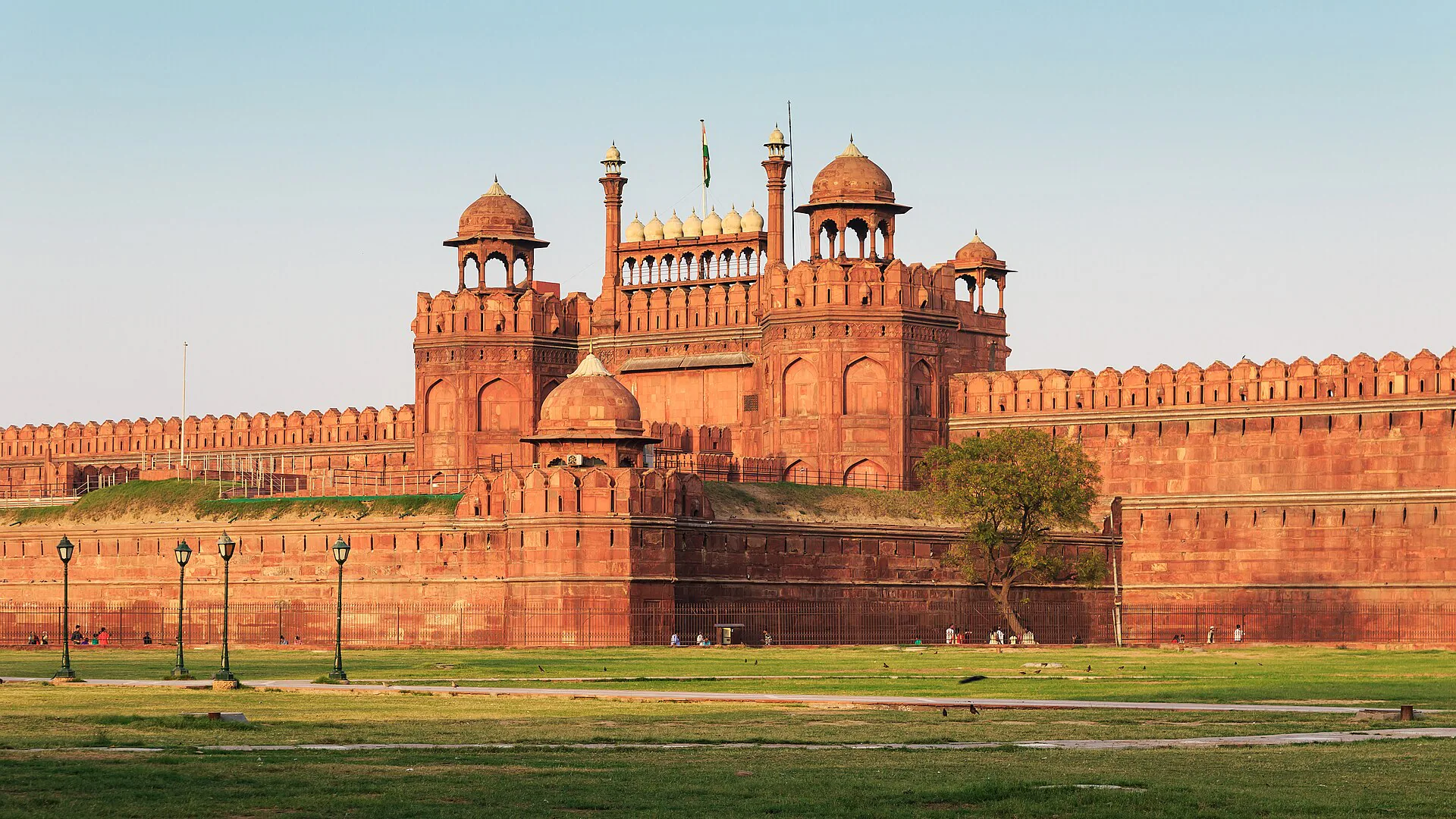
Shahjahanabad from fort to mosque
Link the Red Fort, Chandni Chowk and Jama Masjid with a guide who can keep the walk historically grounded and navigate the living market respectfully.
Half day · Outdoor
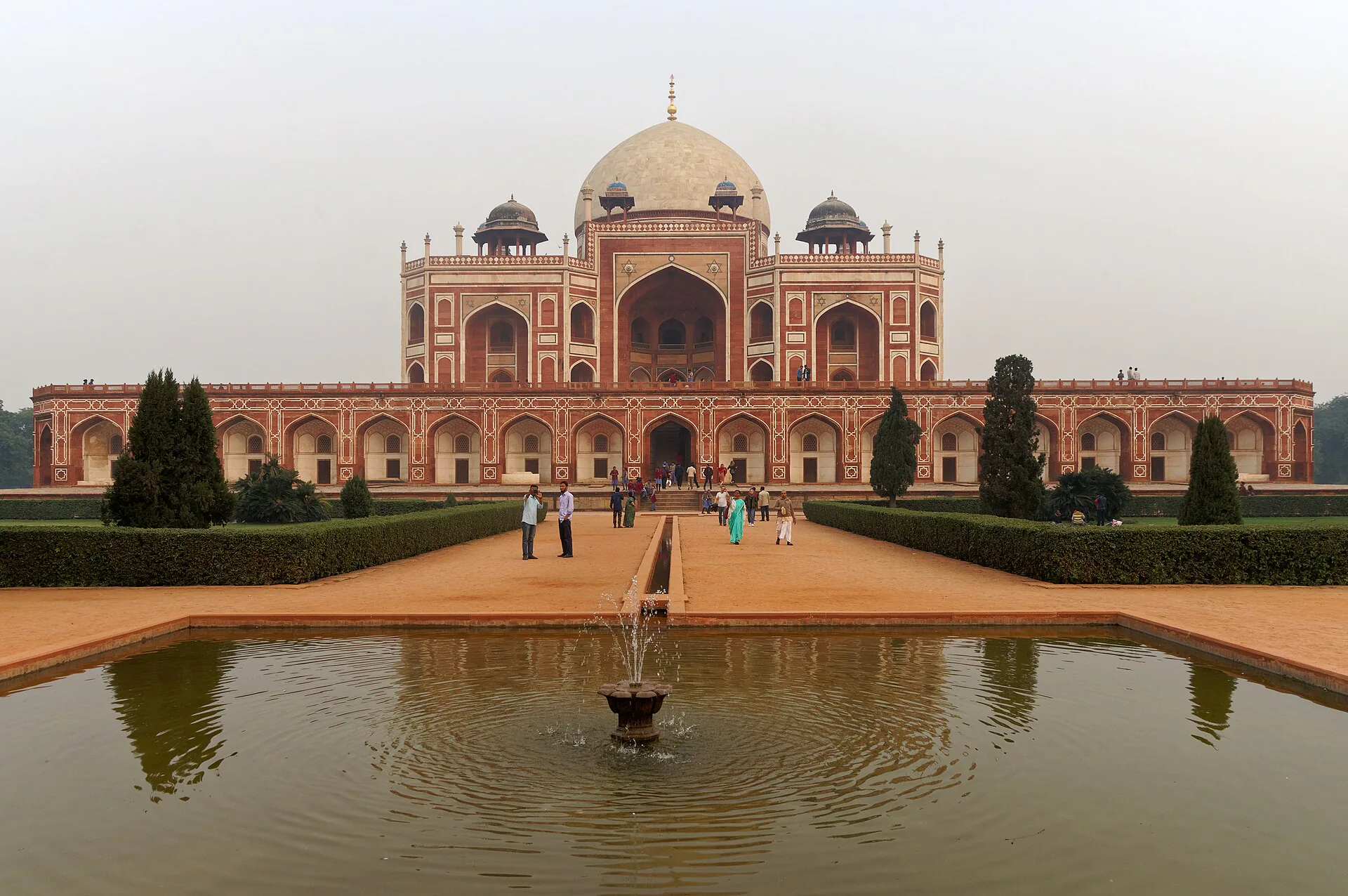
Humayun's Tomb and Nizamuddin
Read the garden-tomb as part of a wider heritage landscape, then continue into Nizamuddin with appropriate dress and sensitivity to worship and local life.
Half day · Both
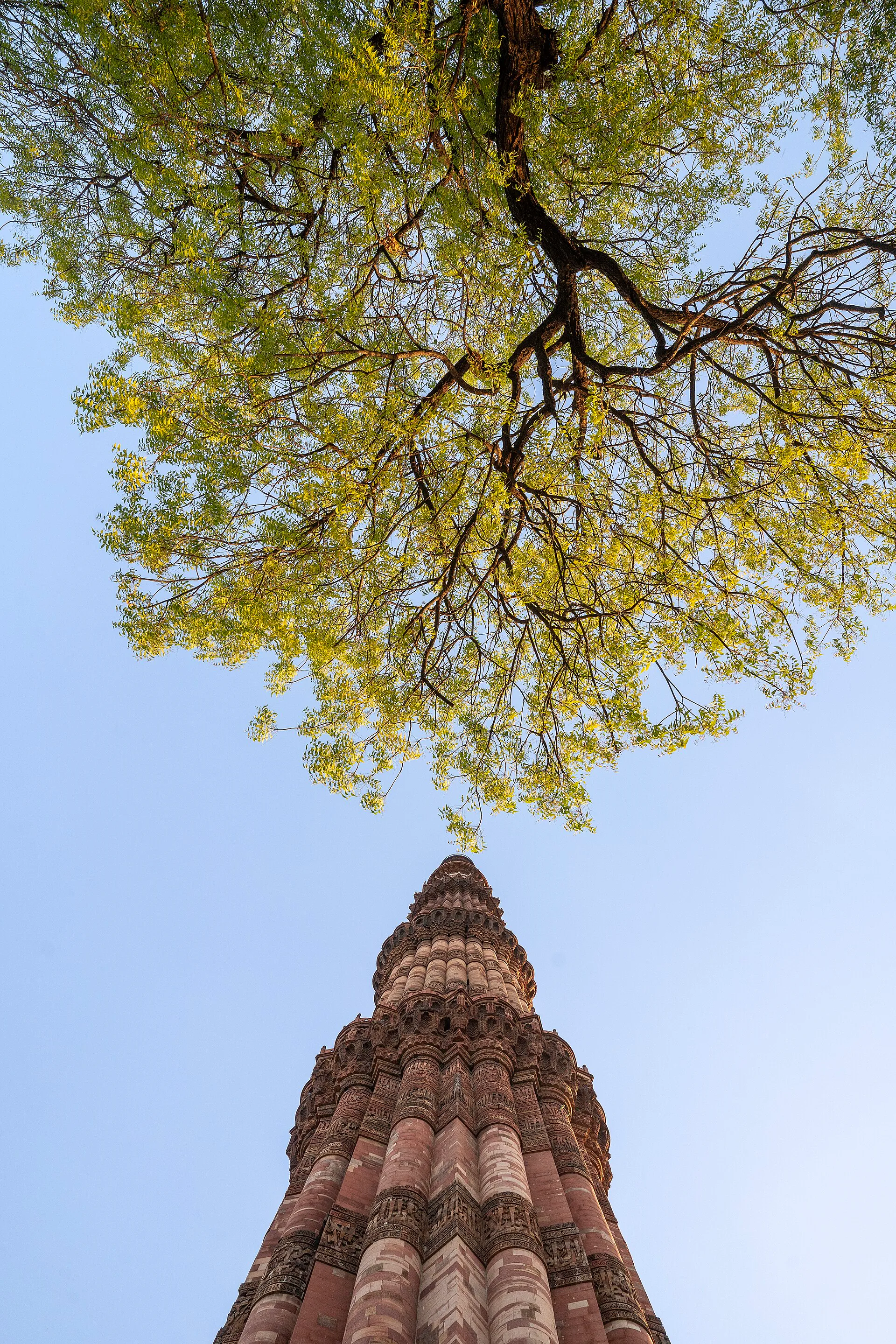
Qutb and the Mehrauli layers
Give the Qutb complex enough time for its mosque, gateways, inscriptions and Iron Pillar before considering a separate Mehrauli archaeological walk.
3 to 5 hours · Outdoor
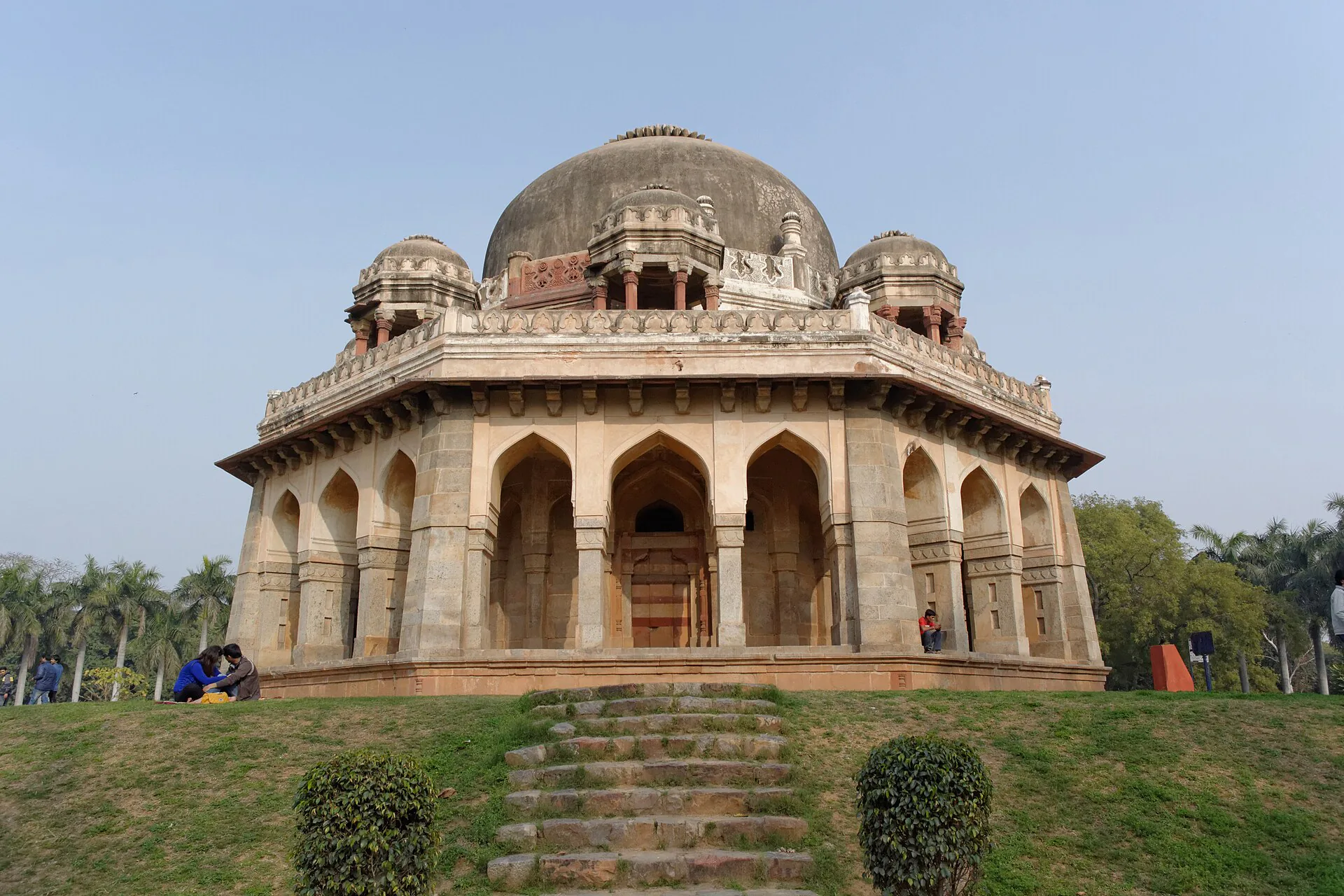
Lodhi and Safdarjung garden-tombs
Compare two eras of tomb architecture at a gentle pace, using Lodhi Gardens for shade and a quieter city rhythm.
2 to 3 hours · Outdoor
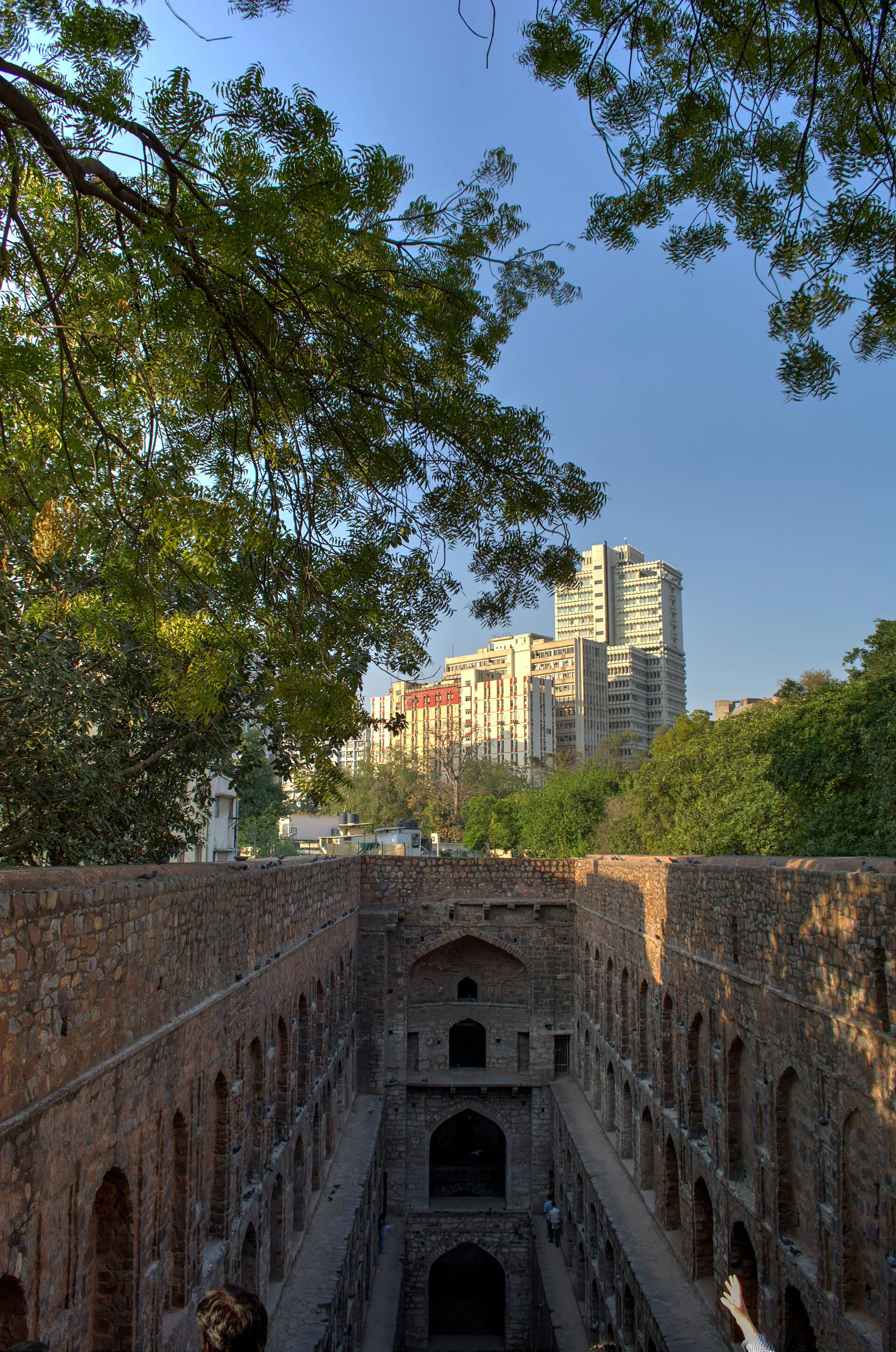
Agrasen ki Baoli and central Delhi
Use the stepwell as a compact historical counterpoint to the formal planning of Connaught Place and nearby central avenues.
1 to 2 hours · Outdoor
Delhi, deliberately paced
Eight signature experiences
A guided Shahjahanabad morning
Walk from the Red Fort side through Chandni Chowk toward Jama Masjid with a guide who can interpret architecture, trade and living faith without turning the neighbourhood into spectacle.
3 to 4 hours · Both
Humayun's Tomb in its wider landscape
Read the charbagh, surrounding tombs and Nizamuddin setting as one heritage ensemble, leaving enough time for the garden rather than only the central mausoleum.
2 to 3 hours · Outdoor
Qutb and Mehrauli with an expert
Use the minar as the opening to a much older Delhi story, then add one nearby archaeological stop instead of racing to another part of the city.
Half day · Outdoor
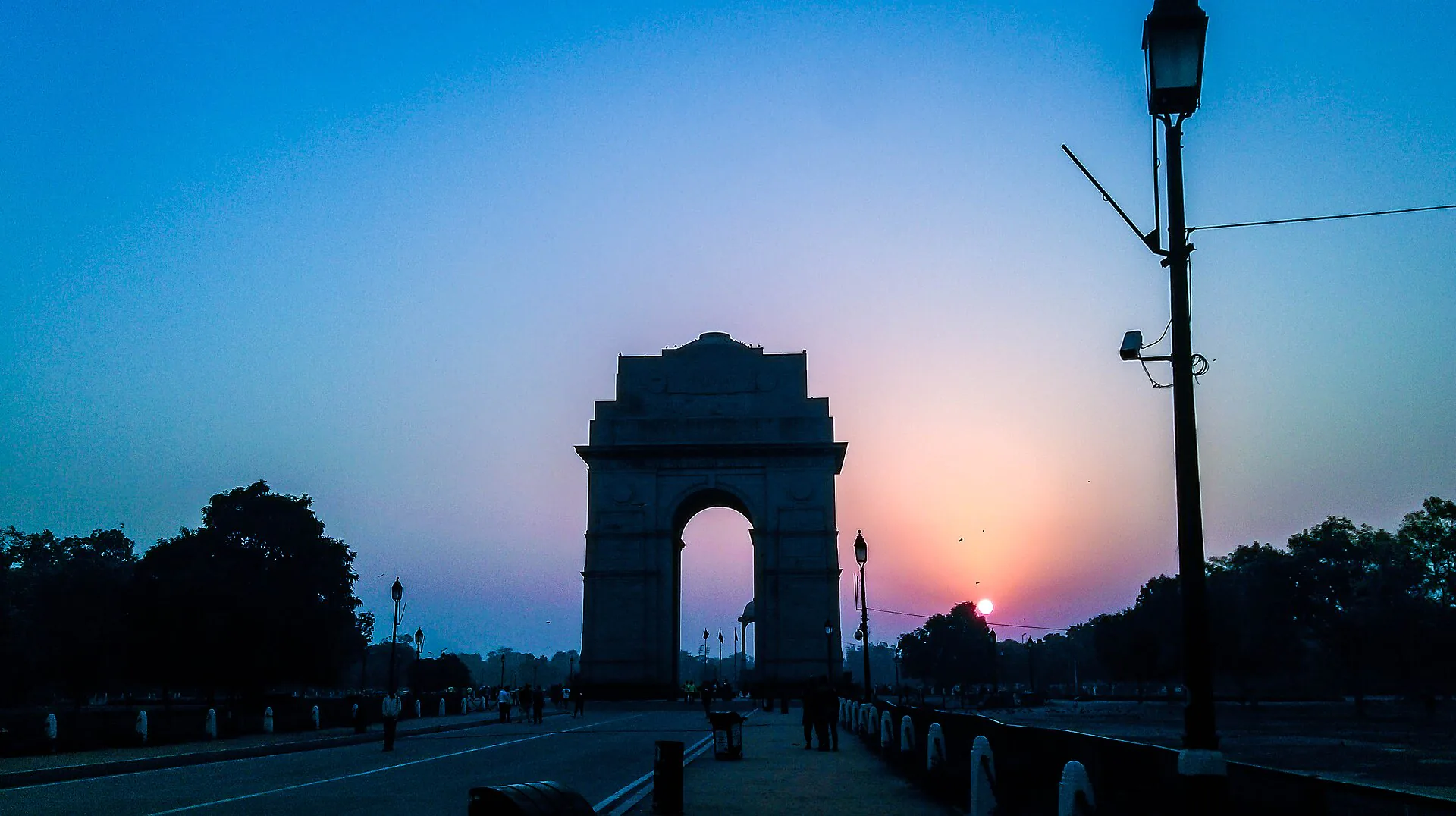
India Gate as evening, not photo stop
Arrive as the heat eases, walk the precinct and understand the memorial context before letting the city lights and evening energy take over.
1 to 2 hours · Outdoor
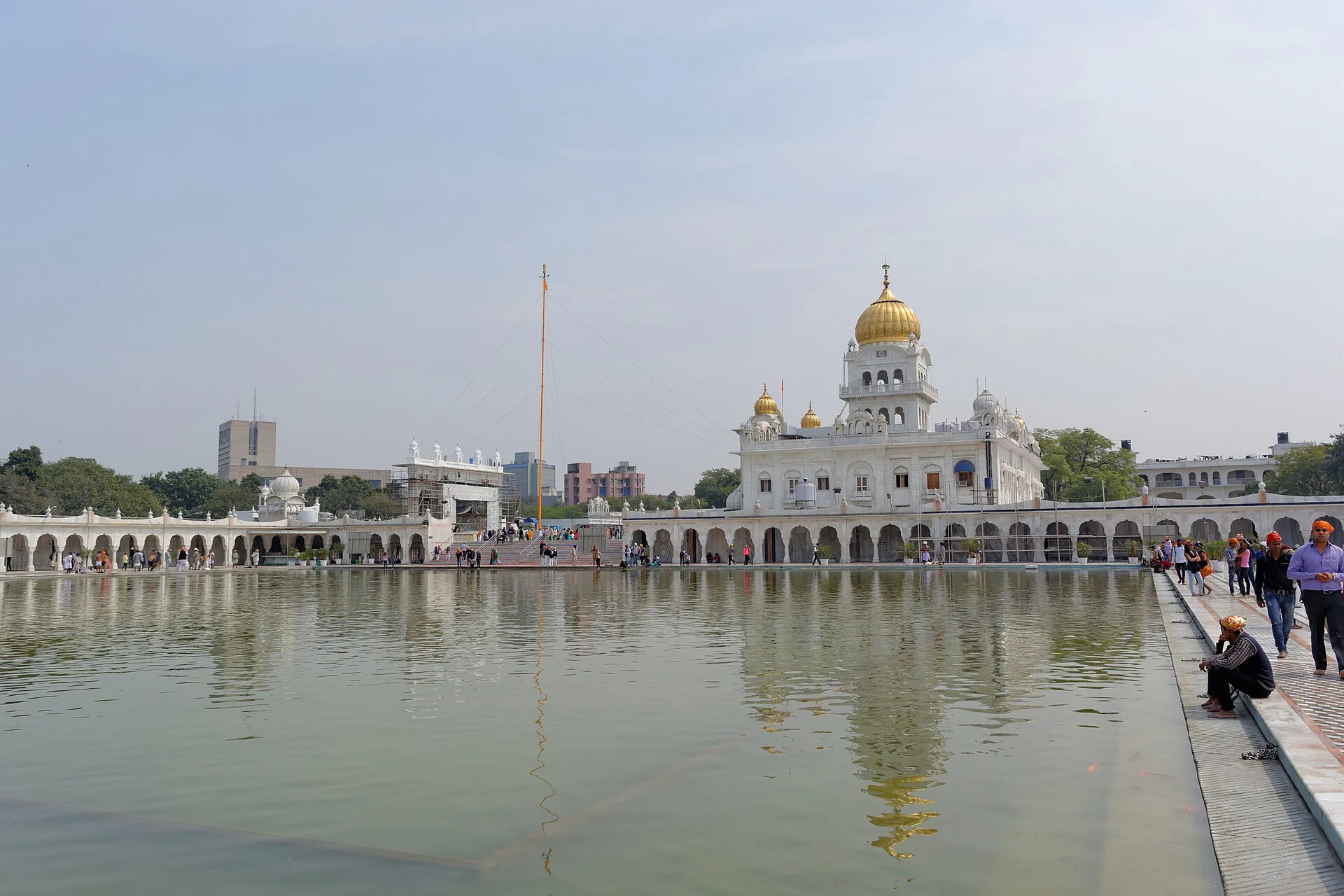
A respectful visit to Bangla Sahib
Experience the calm of the sarovar and learn about seva with covered head, bare feet and full respect for current visitor and worship guidance.
1 to 2 hours · Both
Lodhi Gardens at the city's gentler pace
Use the tombs, trees and lawns as a restorative bridge between heavier heritage days, ideally in the early morning.
1 to 2 hours · Outdoor
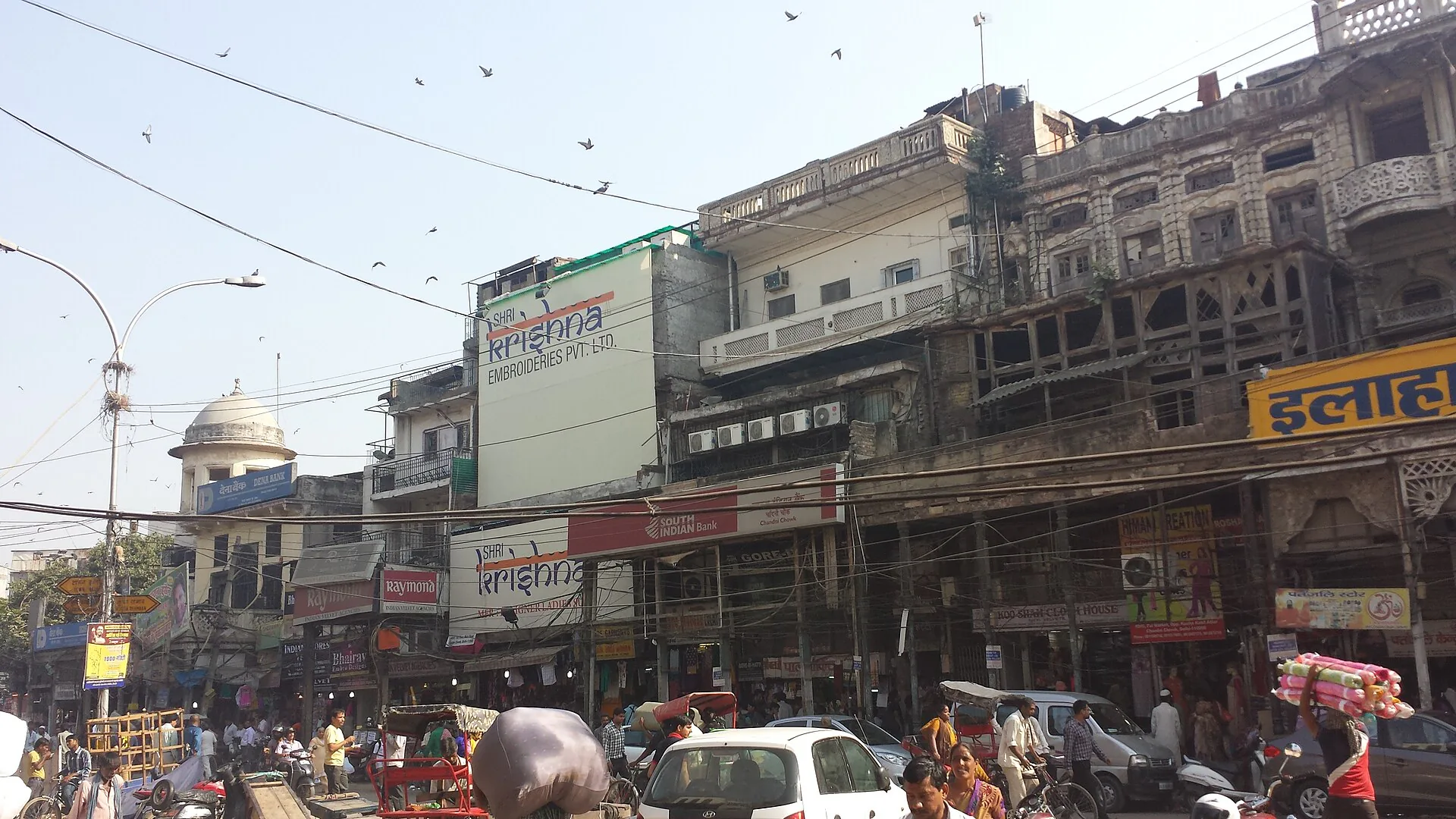
Old Delhi food with context
Choose a focused breakfast or evening route led by someone who explains migration, community and trade, with conservative hygiene choices and no pressure to sample everything.
2 to 3 hours · Both
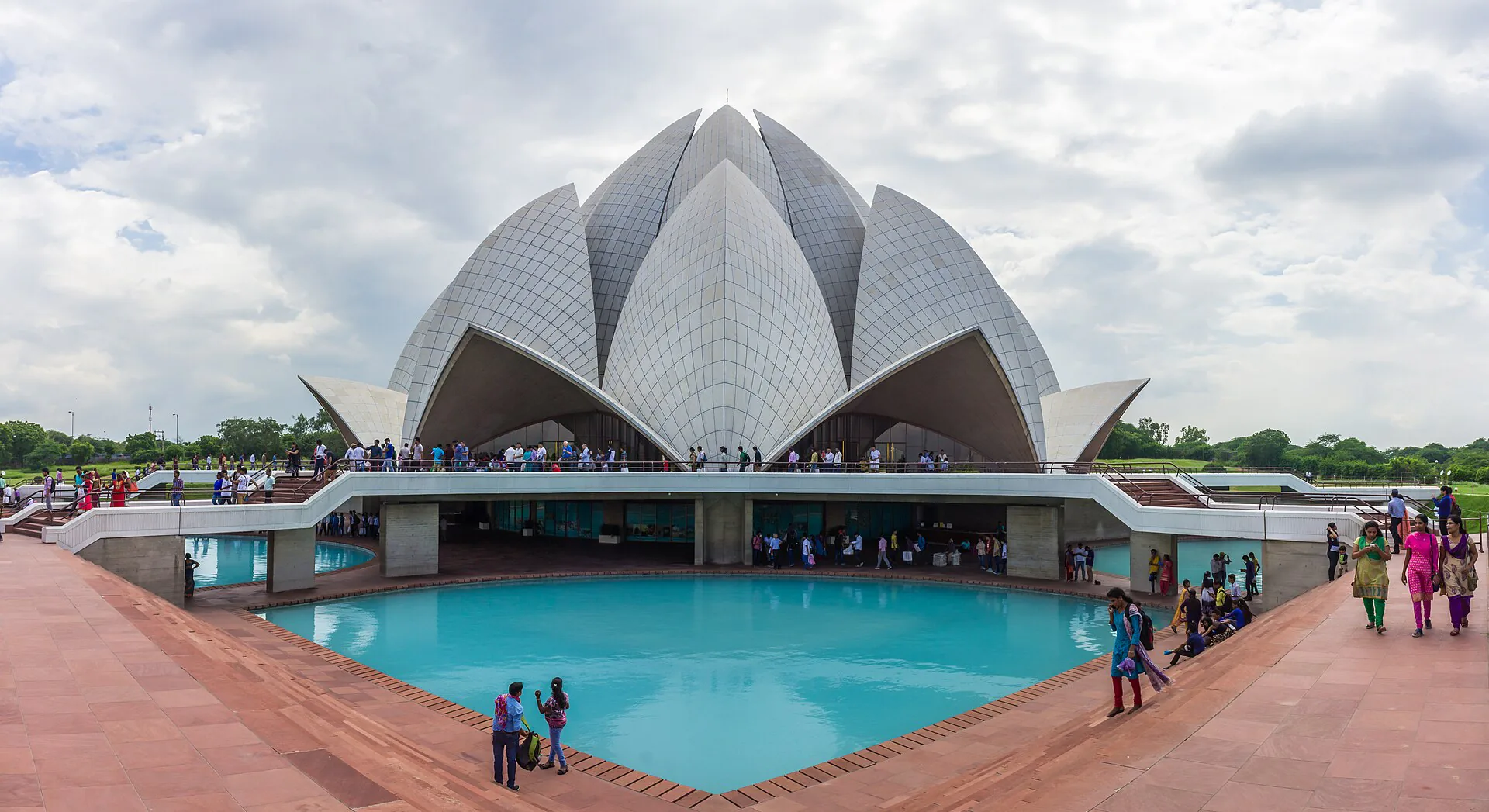
Lotus Temple and South Delhi architecture
Visit for silence, form and landscaped space, checking the current closure day and entry instructions before shaping the rest of the south-city route.
1 to 2 hours · Both
First-visit anchors
Ten places to build a Delhi stay around
Old Delhi
Red Fort
The palace-fort of Shahjahanabad and the clearest monumental starting point for understanding Mughal Delhi.
- Duration
- 2 to 3 hours
- Best time
- Cooler morning; verify current closure day
- Setting
- Outdoor
Near Chandni Chowk, Jama Masjid, Rajghat
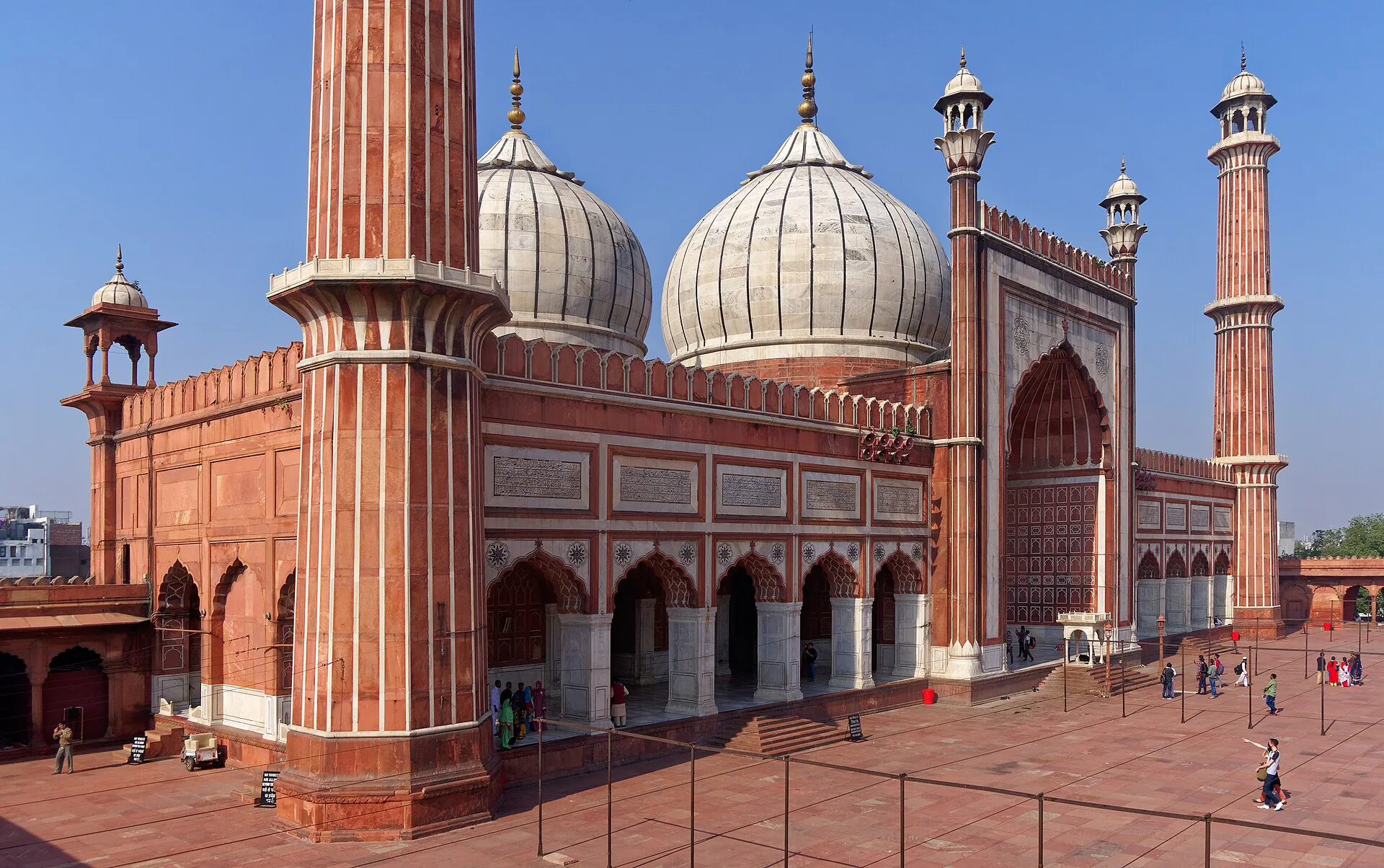
Old Delhi
Jama Masjid
A major living mosque and architectural landmark that should be visited with modest dress and awareness of prayer times.
- Duration
- 1 hour
- Best time
- Outside prayer periods; confirm current visitor guidance
- Setting
- Both
Near Chandni Chowk, Red Fort, food lanes
Shahjahanabad
Chandni Chowk
A dense commercial and cultural spine best understood on foot with a focused market, faith or food story.
- Duration
- 2 to 3 hours
- Best time
- Morning; avoid attempting every lane
- Setting
- Both
Near Red Fort, Jama Masjid, Khari Baoli
Nizamuddin
Humayun's Tomb
A landmark Mughal garden-tomb whose wider enclosure rewards a slower, architecture-led visit.
- Duration
- 2 hours
- Best time
- Opening or late public window; verify current hours
- Setting
- Outdoor
Near Nizamuddin, Sunder Nursery, Lodhi Gardens
Mehrauli
Qutb Minar and its monuments
A World Heritage ensemble where the minar, mosque, gateways, tombs and Iron Pillar form one connected historical site.
- Duration
- 2 to 3 hours
- Best time
- Early morning in warmer months
- Setting
- Outdoor
Near Mehrauli Archaeological Park, Hauz Khas, South Delhi
Central New Delhi
India Gate precinct
A ceremonial-city landmark and open-air memorial precinct that comes into its own as the day cools.
- Duration
- 1 to 2 hours
- Best time
- Late afternoon or evening
- Setting
- Outdoor
Near National War Memorial, Kartavya Path, Connaught Place
Central Delhi
Gurudwara Bangla Sahib
A living Sikh place of worship known for its sarovar and tradition of service; visit quietly and follow all etiquette.
- Duration
- 1 to 2 hours
- Best time
- Year-round; confirm current visitor instructions
- Setting
- Both
Near Connaught Place, Jantar Mantar, central Delhi
Kalkaji
Lotus Temple
A contemporary house of worship whose flower-like architecture and quiet interior make a distinctive South Delhi stop.
- Duration
- 1 to 2 hours
- Best time
- Cooler hours; verify current closure day
- Setting
- Both
Near Kalkaji, Nehru Place, South Delhi
Lodhi Road
Lodhi Gardens
A landscaped public garden where Sultanate tombs, mature trees and daily city life share the same calm space.
- Duration
- 1 to 2 hours
- Best time
- Early morning or late afternoon
- Setting
- Outdoor
Near Khan Market, Safdarjung's Tomb, Humayun's Tomb
Central Delhi
Agrasen ki Baoli
A compact historic stepwell that adds an older architectural layer near the formal core of New Delhi.
- Duration
- 45 to 60 minutes
- Best time
- Morning; verify current access
- Setting
- Outdoor
Near Connaught Place, Jantar Mantar, India Gate
Extend Delhi with intent
Choose the journey after Delhi.
Both routes include Agra, but they tell different stories. Compare the spiritual Braj corridor with the classic Golden Triangle before deciding how many nights to protect.
5 to 6 nights
Delhi with Braj and Agra
- 1Delhi
- 2Mathura
- 3Vrindavan
- 4Agra
Give Delhi two or three nights, treat nearby Mathura and Vrindavan as one Braj chapter, then finish in Agra with enough time for its Mughal monuments. This route suits travellers who want temple traditions and living pilgrimage alongside imperial architecture.
Best for
Faith, living culture and Mughal heritage
Suggested pace
2–3 Delhi · 1–2 Mathura & Vrindavan · 1 Agra
Curated journeys
Recommended Delhi journeys
Tailored itinerary
Tell us about your Delhi trip
Our advisors are preparing the right journeys. Share a few details and we'll shape a considered route for you.
Planning, refined
Travel Delhi with more ease
Cluster the day
Pair Old Delhi with Rajghat, central Delhi with Bangla Sahib, Nizamuddin with Lodhi, or Qutb with Mehrauli. Cross-city zigzags sacrifice the experience to traffic.
Verify the closure day
Monuments, museums and faith sites do not share one schedule. Check the official operator before assigning a must-see attraction to a particular day.
Use the metro selectively
The metro is excellent for many long transfers, but the last mile may still involve walking, an auto, taxi or a pre-arranged car. Use the current DMRC map.
Keep Old Delhi focused
Choose one market, food or faith-led route with light luggage. A local guide can add context and reduce navigation friction in working lanes.
Check weather and AQI daily
Use IMD for the forecast and CPCB for live air quality. Adjust outdoor duration, exertion and timing to current conditions and personal health needs.
Dress for living faith sites
Carry an easy head covering, wear clothing suitable for worship spaces, remove footwear where required and never treat prayer or service as a performance.
Choose street food carefully
Prefer a few established, busy stops, safe drinking water and a route matched to your comfort. A guide improves context but cannot remove individual health risk.
Choose the onward circuit deliberately
For Braj, travel through Mathura and Vrindavan before Agra. For the Golden Triangle, continue from Agra to Jaipur. Protect transfers and overnight stays instead of treating either route as a chain of day trips from Delhi.
Before you go
Delhi FAQs
How many days are ideal for Delhi?
Three to four nights is a strong first visit: one Old Delhi day, one Nizamuddin–Lodhi or Mehrauli heritage day, and one central/South Delhi day. Add a fifth night for museums, shopping, slower meals or a separate onward journey.
Where should a first-time visitor stay?
Connaught Place and central Delhi are practical for broad access, while Lodhi, Nizamuddin and selected South Delhi areas suit travellers prioritising garden-tombs, dining and calmer evenings. Aerocity is best when an airport-led stop matters more than neighbourhood immersion.
What is the best time to visit Delhi?
October to March offers the broadest comfortable sightseeing weather. Winter can bring cold mornings, fog and poor air quality; late spring and early summer can be intensely hot; monsoon needs rain and traffic flexibility.
Is the Delhi Metro useful for sightseeing?
Yes. It removes many long road transfers, especially between central, Old and South Delhi. Check the current DMRC map and allow for security screening, station exits and the walking or road-based last mile.
Can Old Delhi and the Qutb complex fit in one day?
They can be forced into one day, but they sit far apart and each rewards several hours. A better first visit gives Old Delhi its own half or full day and pairs Qutb with Mehrauli or another South Delhi stop.
Do Indian travellers need a visa for Delhi?
No visa is required for domestic Indian travel. Carry normal government photo identification and confirm the current ID or security requirements for your flight, train, hotel and any controlled venue.
How should travellers handle Delhi air quality?
Check the official CPCB reading for the relevant location and day rather than relying on a seasonal assumption. Follow public-health advice, reduce prolonged outdoor exertion when conditions are poor and seek medical guidance for personal respiratory or cardiac concerns.
Is Delhi suitable for families?
Yes, with a lighter pace. One major outdoor site in the morning, a long midday pause and a garden, craft market or easy evening precinct works better than stacking several large monuments across the city.