Destination Guide

Places to Visit in japan

Tokyo Tower isn’t just a landmark—it’s a whole vibe. Standing tall in bold red and white, inspired by the iconic Eiffel Tower, it cuts through Tokyo’s skyline like something straight out of a movie. By day, you get insane panoramic views of the city’s endless energy, and by night? It transforms into a glowing masterpiece, lighting up the skyline in a way that feels almost unreal.

  • 24 highlighted attractions
  • 6 visa notes
japan

Top Attractions

Tokyo Tower

Tokyo Tower is a bright red and white structure animate by the Eiffel Tower. It offers stunning views of the busy city below. At night, it lights up and looks vibrant. Visitors can go up to observation decks and enjoy the skyline. It’s a popular symbol of Tokyo and a great place to feel the city’s energy from above.

Kyoto's Kinkaku-ji

Kinkaku-ji, also known as the Golden Pavilion, is a stunning temple covered in gold leaf. It reflects radiant in the surrounding pond, creating a cozy and picture-perfect scene. Located in Kyoto, it shows the elegance of traditional Japanese architecture. Walking around the garden feels calm and relaxing, making it one of the most loved spots in Japan.

Hiroshima Peace Memorial Park

This park is a place of remembrance and hope. It honors the victims of the atomic bombing during World War II. The atmosphere is quiet and emotional, with monuments and the famous Atomic Bomb Dome nearby. Visitors come to learn, reflect, and pray for peace. It’s a heart wrenching reminder of history and the significance of a peaceful future.

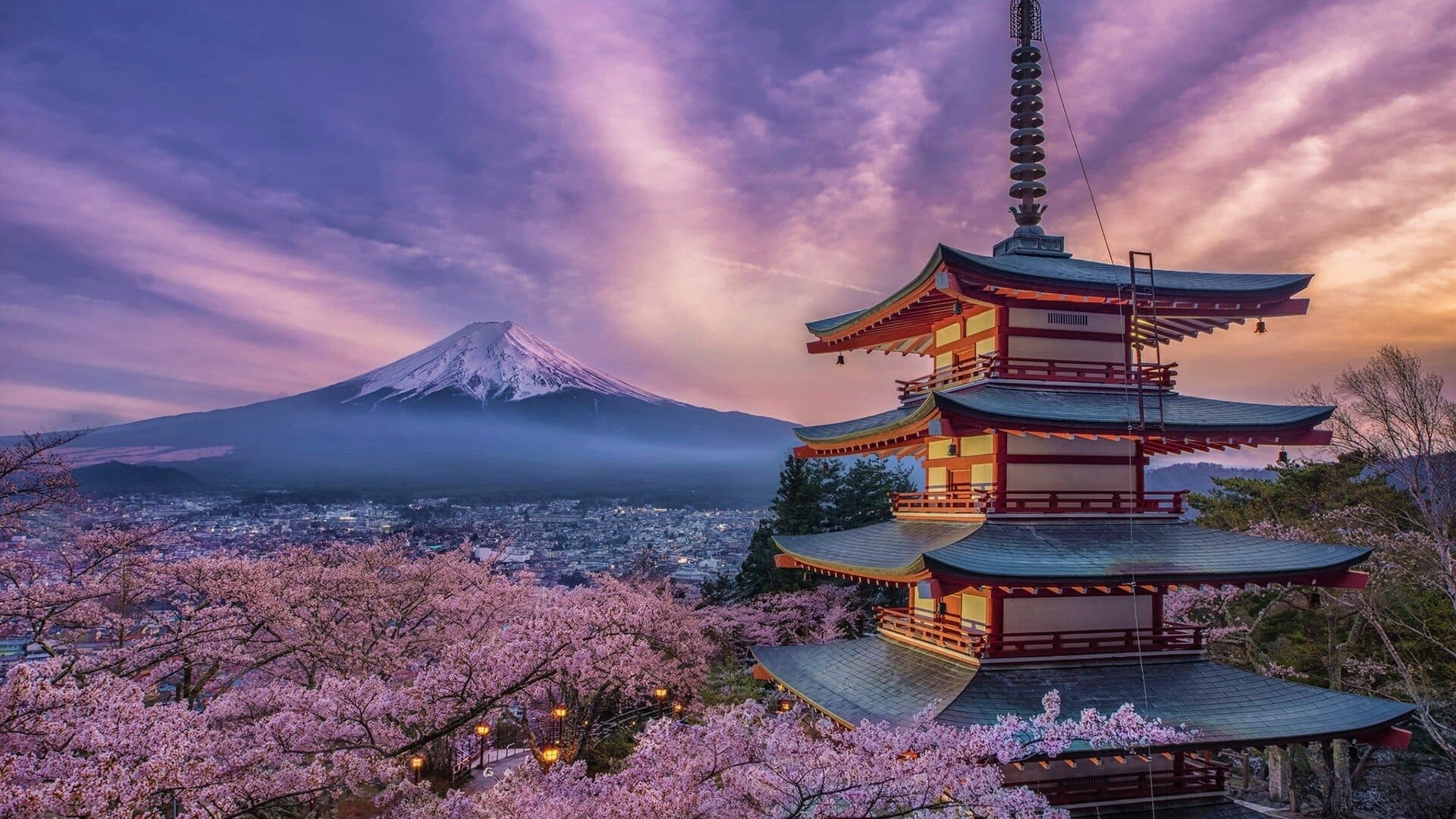
Mount Fuji

Mount Fuji is Japan’s highest and most famous mountain. Its snow-capped peak looks delightful in every season. Many people climb it during summer, while others revel the view from nearby lakes. It holds spiritual importance and appears in art and photography often. Seeing Mount Fuji in person feels calm and inspiring, like nature at its finest.

Nara Park

Nara Park is known for its friendly deer that walk freely around visitors. You can feed them special crackers, and they may even bow to you. The park also has historic temples like Todai-ji. It feels open, green, and peaceful. Spending time here is fun and relaxing, especially for people who enjoy nature and animals.

Osaka Castle

Osaka Castle is a grand and ancient landmark surrounded by gardens and moats. It played an significance role in Japan’s history. The building is beautiful, especially when cherry blossom season arrives. Inside, there’s a museum that showcase stories of samurai and history. It’s a prominent place to learn while enjoying scenic views of Osaka city.

Shibuya Crossing

Shibuya Crossing is one of the busiest pedestrian crossings in the world. When the lights turn green, hundreds of people walk in all directions at once. It feels exciting and energetic, especially at night with bright neon signs. It represents Tokyo’s fast-paced life. Watching from above or crossing yourself is a fun and unforgettable experience.

Okinawa's Beaches

Okinawa’s beaches are known for clear blue water, soft sand, and warm weather. This place feel very different from mainland Japan, with a tropical vibe. You can relax, swim, or enjoy water sports like snorkeling. The peaceful environment and beautiful sunsets make it perfect for a calm holiday. It’s a prominent place to unwind and enjoy nature.
How to Reach japan

By Air

Japan is well-connected by international airports, with major hubs in Tokyo, Osaka, and Nagoya.

  • Narita International Airport serves Tokyo and is accessible via train and bus.
  • Haneda Airport is closer to central Tokyo, offering domestic and international flights.
  • Kansai International Airport serves Osaka and is connected to the city by train.
  • Chubu Centrair International Airport serves Nagoya, with easy access to the city center.
  • Many airlines offer direct flights from major cities worldwide.
  • Visa and entry requirements should be checked before travel.

By Train

Japan's extensive rail network is one of the most efficient in the world.

  • The Shinkansen (bullet train) connects major cities at high speeds.
  • Local trains and subways provide access to urban areas and rural regions.
  • Rail passes are available for unlimited travel for tourists.
  • Trains are punctual, clean, and offer comfortable seating.
  • Reservations are recommended during peak travel seasons.
  • Timetables and routes can be easily accessed online.

By Road

Traveling by road in Japan is convenient, with well-maintained highways.

  • Car rentals are available at airports and major cities.
  • International driving permits are required for foreign drivers.
  • Tolls are common on expressways, so be prepared for additional costs.
  • Public buses connect rural areas and cities effectively.
  • Navigation systems are often available in English.
  • Traffic rules are strictly enforced, and driving is on the left side.

By Cruise

Japan is a popular cruise destination, with several ports welcoming international ships.

  • Major ports include Yokohama, Kobe, and Osaka.
  • Cruises often offer itineraries that explore multiple cities.
  • Shore excursions provide opportunities to experience local culture.
  • Cruise terminals are usually well-connected to public transport.
  • Check with cruise lines for specific itineraries and schedules.
  • Visa requirements may vary based on cruise itineraries.

Visa Requirements

  • Visa rules can change. Verify with the embassy/official sources before travel.
  • Indian passport holders require a visa to enter Japan.
  • Tourist visas are typically valid for short stays.
  • Visa applications should be submitted in advance.
  • Documents required may include proof of accommodation and return flight.
  • Check for any additional requirements based on travel purpose.

Continue Planning